The fabric industry has seen numerous advancements aimed at prolonging the life of textile products and enhancing their appearance. One such development is the commercial fabric shaver, a tool that has gained traction across various industries. Fabric shavers are crucial in maintaining the quality and aesthetics of products, ensuring customer satisfaction. This article delves into what commercial fabric shavers are, explores their applications, benefits, and offers practical insights into their use in business settings.
What is a Commercial Fabric Shaver?
A commercial fabric shaver is a device designed to remove lint, fuzz, and pills from fabrics, restoring them to a like-new appearance. Unlike their household counterparts, commercial fabric shavers are more robust, designed to handle large volumes of fabric without compromising efficiency. They typically feature larger blades and more powerful motors, making them ideal for continuous use in various industrial environments.
The functionality of a fabric shaver involves rotating blades beneath a perforated shield. As the device glides over fabric surfaces, pills and fuzz are drawn through the holes and sliced off cleanly by the blades. This simple yet effective mechanism allows businesses to rejuvenate fabric goods, maintaining a fresh look and smooth texture.
The purpose of using a commercial fabric shaver is not only to improve aesthetics but also to enhance the durability of the fabric. By eliminating surface imperfections, these devices help in reducing friction between fibers, which can lead to further linting and wear. This proactive approach in maintenance plays a significant role in extending the lifespan of textile products, thus aligning with sustainable practices that many businesses now endorse.
How Do Businesses Benefit from Using a Fabric Shaver?
Businesses that incorporate commercial fabric shavers into their operations see notable improvements in efficiency and cost-effectiveness. Fabric shavers allow for quick and easy maintenance of garments and textiles, eliminating the need for more expensive solutions such as replacing worn-out goods. This translates into substantial savings, particularly for industries dealing with large inventories of fabric products.
One of the critical benefits is the enhancement of product longevity. When fabrics are regularly cared for with a shaver, the fibrillation, or slight wear and tear that occurs naturally over time, is minimized. Maintaining a high standard of appearance not only satisfies aesthetic demands but also reassures customers of the quality and care that goes into the product. Ultimately, this can lead to increased customer loyalty and repeat business, as well as positive brand perception.
Moreover, the use of fabric shavers aligns with sustainable practices, which is becoming increasingly important for businesses across all sectors. By extending the life of fabric goods, companies can reduce waste and lower their environmental impact. This commitment to sustainability can set a business apart in competitive markets, appealing to eco-conscious consumers seeking responsible choices in their purchasing decisions.
Which Industries Utilize Fabric Shavers the Most?
The fashion industry is one of the most significant users of commercial fabric shavers. In fashion, presentation is everything, and maintaining a garment’s pristine quality is essential. Manufacturers, retailers, and dry cleaners utilize fabric shavers to ensure that clothing looks immaculate before it reaches the consumer. This attention to detail helps convey the high standards of the brand, reassuring customers about the quality they are investing in.
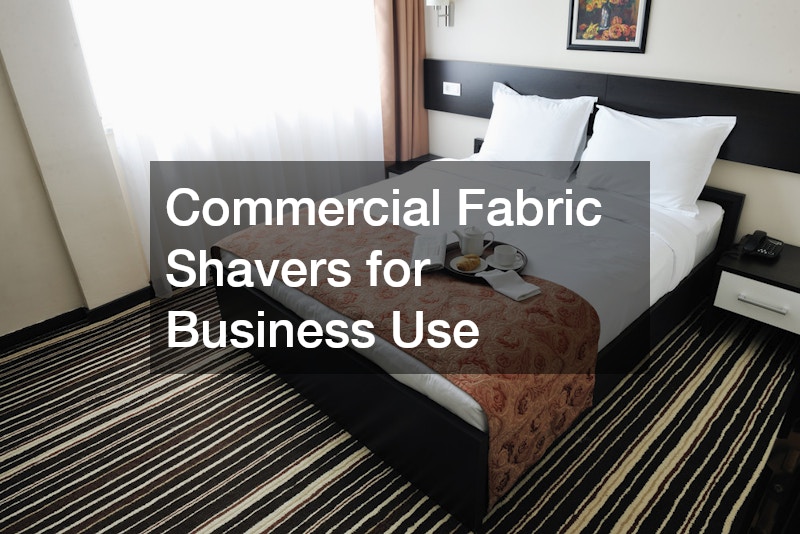
The upholstery sector also heavily relies on fabric shavers to maintain the aesthetic appeal of furniture. Upholstered furniture is prone to pilling, especially in high-traffic areas such as hotels or commercial spaces. By regularly using fabric shavers, these industries can ensure that seating and other fabric-covered goods look inviting and well-maintained, fostering a positive image and enhancing customer comfort.
Textile manufacturing benefits from fabric shavers in refining products before they go to market. This preparation step ensures that the final product presented to retailers and consumers is free from surface irregularities that could detract from its quality. Furthermore, as textiles need to endure various phases of production and handling, a fabric shaver’s utility in maintaining consistency and quality across batches is invaluable in maintaining high production standards.
Conclusion
In conclusion, commercial fabric shavers serve a vital role in preserving the quality and longevity of textile products across various industries. Their ability to eliminate unsightly pills and fuzz not only enhances visual appeal but also contributes to cost savings and sustainable practices by extending the life of fabric goods. As industries continue to prioritize quality and sustainability, fabric shavers remain an indispensable tool in ensuring that these goals are met effectively. Businesses using this simple yet powerful device can maintain a competitive edge, delighting customers with well-maintained products that look and feel like new.