Introduction
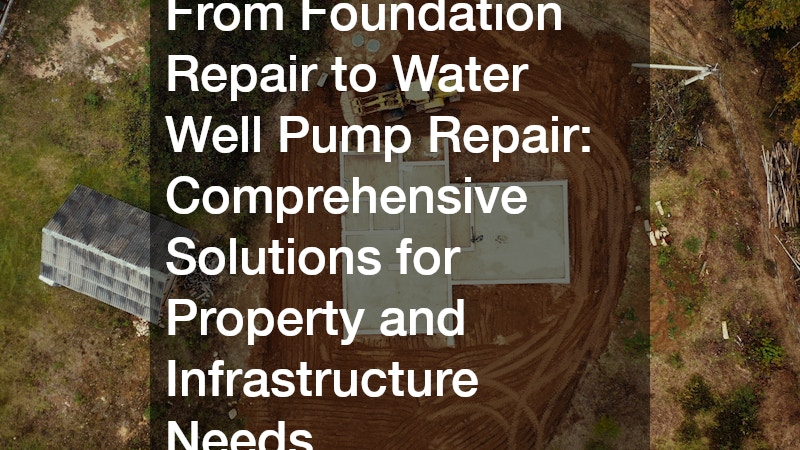
Owning and managing property—whether residential, agricultural, or commercial—requires more than occasional repairs. Every structure rests on interconnected systems that must function together: foundations support framing, plumbing distributes water, drainage systems protect structural materials, and utility infrastructure ensures daily comfort and operational efficiency. When one component fails, it often places strain on others. A small leak can compromise structural integrity. Soil movement can crack concrete and disrupt underground piping. Neglected equipment can lead to water supply interruptions.
In many cases, problems develop gradually and remain unnoticed until they become expensive emergencies. A slight dip in a floor may indicate long-term settlement. A faint musty smell might suggest hidden moisture inside wall cavities. Hairline cracks in exterior masonry could signal drainage deficiencies that have persisted for years. Understanding how to identify early warning signs empowers property owners to act before small concerns evolve into large-scale reconstruction projects.
Comprehensive property care means understanding how these systems interact and knowing when to bring in specialized professionals. From structural stabilization to water system troubleshooting and site cleanup, property owners benefit most when they approach infrastructure as a coordinated network rather than isolated parts.
It’s also important to recognize that infrastructure decisions affect long-term financial performance. Preventative maintenance reduces insurance claims, preserves resale value, and minimizes unexpected downtime for commercial operations. For agricultural and rural properties, reliable infrastructure directly impacts productivity and operational continuity. Investing strategically in inspections, upgrades, and maintenance often costs significantly less than emergency repairs.
Effective property management also requires documentation and planning. Maintaining detailed records of inspections, service dates, repair invoices, and warranties creates a clear maintenance history. This documentation not only supports insurance or resale disclosures but also helps contractors understand previous modifications and avoid redundant work.
This guide explores actionable strategies for diagnosing problems, prioritizing repairs, selecting qualified professionals, and planning large-scale improvements. Whether you’re maintaining a home, managing rural land, or overseeing commercial facilities, the following sections provide practical insight to help you protect your investment and prevent costly long-term damage.
Start With a Thorough Structural and Site Assessment
Before beginning any major project, conduct a detailed assessment of both the structure and surrounding land. Structural problems rarely appear without warning—subtle signs typically emerge months or years before major failure. A comprehensive inspection should include interior spaces, exterior walls, roofing edges, foundation lines, and grading conditions.
Start outside. Walk the perimeter of the building and examine the foundation for cracks, shifting, or moisture staining. Look at how the soil slopes around the structure. Ideally, grading should direct water away from the building at a gradual but consistent angle. Poor grading often contributes to settlement and water infiltration.
Move inside and inspect walls, ceilings, and flooring. Pay close attention to transitions between materials, such as where walls meet ceilings or where tile meets baseboards. These junctions often reveal early movement.
Warning Signs You Should Never Ignore
Look for:
-
Cracks wider than 1/8 inch in walls or slabs
-
Uneven or sloping floors
-
Doors and windows that stick
-
Gaps forming between walls and ceilings
-
Moisture stains near the base of walls
You may also notice:
-
Nail pops in drywall
-
Separation between exterior brick and window frames
-
Chimneys pulling slightly away from the home
-
Cracked driveway sections near the foundation
These symptoms often indicate foundation movement. Soil expansion, erosion, poor drainage, or improper construction can all contribute to settlement. In such cases, foundation repair services may be necessary to stabilize the structure and prevent worsening damage.
Document and Prioritize
Before contacting contractors:
-
Take dated photos of all visible damage
-
Measure crack widths to track growth
-
Note when issues first appeared
-
Inspect exterior grading and drainage
Create a simple inspection log that includes weather conditions and any unusual events such as heavy rainfall or drought periods. This context helps professionals assess potential contributing factors.
Having organized documentation helps professionals provide accurate assessments and gives you leverage when requesting estimates. It also allows you to compare contractor recommendations more objectively.
Understand Repair Methods
Professional foundation repair services may recommend:
-
Pier systems to stabilize settling structures
-
Slab leveling injections
-
Wall anchors for bowing basement walls
-
Improved drainage systems
Each method addresses a specific cause of movement. For example, pier systems transfer structural weight to more stable soil layers, while slab leveling injections fill voids caused by erosion.
Ask for detailed explanations of recommended solutions. The best contractors will outline both immediate stabilization and long-term prevention strategies. Don’t hesitate to request engineering reports if structural movement is significant. An independent engineer can verify recommended repair approaches.
Plan Safe and Efficient Structural Modifications
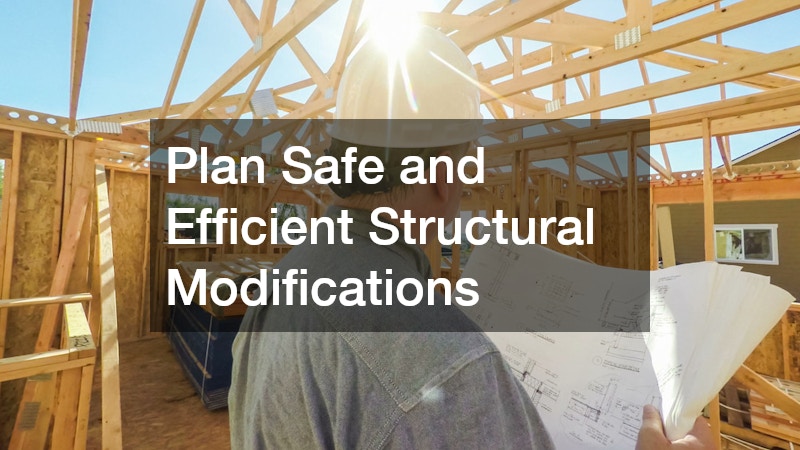
Structural upgrades often require precise demolition or alteration. Removing or modifying concrete without proper planning can compromise load-bearing elements. Whether you’re expanding interior spaces or rerouting utilities, structural integrity must remain the top priority.
Begin by reviewing original construction plans if available. Identify load paths, support beams, and reinforcement zones. Even small modifications can affect structural balance.
Know When Precision Matters
Projects such as installing plumbing lines, expanding doorways, or modifying floor plans often require slab or wall cutting. A professional concrete cutting company uses specialized saws and coring equipment to make accurate openings without damaging surrounding structures.
Benefits of professional concrete cutting include:
-
Reduced vibration that protects adjacent areas
-
Cleaner edges for easier reconstruction
-
Dust control systems
-
Compliance with structural engineering requirements
Precision cutting minimizes micro-fractures that can weaken slabs over time. It also allows for efficient installation of plumbing, electrical conduits, and drainage systems.
Prepare the Site Properly
Before structural modifications begin:
-
Confirm load-bearing walls with an engineer
-
Locate underground utilities
-
Establish debris removal plans
-
Secure permits
Mark cutting zones clearly and create barriers to protect adjacent spaces. Ensure proper ventilation during cutting to manage dust. If working indoors, consider temporary negative air systems to protect occupied areas.
Never rely solely on blueprints—utility lines are sometimes relocated during previous renovations. Always verify conditions on-site.
Proper preparation minimizes safety risks and prevents costly mistakes.
Stabilize and Reinforce After Structural Work
Once structural alterations or repairs are completed, reinforcement and monitoring are critical. Many property owners assume the job ends once cracks are patched or supports installed—but follow-up is essential.
Structural systems require time to settle after repairs. Monitoring ensures that corrective measures are performing as intended.
Reinforcement Best Practices
After major repairs:
-
Allow adequate curing time for concrete
-
Monitor humidity levels in enclosed spaces
-
Reassess drainage slopes around the structure
-
Install moisture barriers where needed
If new supports or piers were installed, verify alignment and structural load distribution. Improperly adjusted supports can create uneven stress.
In some cases, temporary shoring or bracing may remain in place during stabilization. Follow contractor recommendations regarding removal timelines.
Schedule Follow-Up Inspections
Within 6–12 months:
-
Re-measure cracks
-
Inspect for new signs of movement
-
Evaluate exterior grading
Seasonal inspections are especially important in regions with extreme temperature changes or expansive soils. Keep communication open with contractors if movement persists.
Early detection of recurring movement allows adjustments before structural issues escalate.
Address Water Intrusion Quickly and Strategically
Water is one of the most destructive forces affecting property. Even minor leaks can compromise framing, insulation, and flooring. Moisture trapped within wall cavities promotes mold growth and weakens materials over time.
Immediate Steps During Water Emergencies
If flooding or leaks occur:
-
Shut off the main water supply
-
Remove standing water promptly
-
Increase ventilation and dehumidification
-
Document damage for insurance
Time is critical. Within 24–48 hours, moisture can begin to foster mold growth. Remove saturated materials such as carpet padding and insulation if necessary.
Professional damage restoration services can provide water extraction, mold remediation, smoke cleanup, and structural drying. Their specialized equipment ensures moisture does not remain hidden inside walls or subfloors.
Prevent Future Intrusion
Long-term prevention strategies include:
-
Installing sump pumps
-
Sealing foundation cracks
-
Extending downspouts
-
Improving grading
You may also consider installing perimeter drains, backflow valves, or moisture sensors that alert you to leaks early.
Water management should be part of any comprehensive infrastructure plan. Regular gutter cleaning, roof inspections, and foundation sealing protect against both sudden flooding and gradual seepage.
Proactive moisture control preserves structural integrity, reduces health risks, and prevents expensive reconstruction in the future.
Upgrade and Maintain Water Supply Systems Proactively
Reliable water access is critical for both homes and rural properties. When supply systems malfunction, daily life and operations are disrupted.
Recognize Early Warning Signs
Common symptoms of pump or supply issues:
-
Fluctuating water pressure
-
Air sputtering from faucets
-
Increased electric bills
-
Discolored water
These may signal the need for water well pump repair. Ignoring early signs can lead to total pump failure.
Extend System Lifespan
To maintain performance:
-
Schedule annual inspections
-
Test pressure tanks regularly
-
Install sediment filters
-
Monitor electrical connections
When sourcing replacement parts, working with a plumbing supply service ensures compatibility and quality. Inferior components may fail prematurely, increasing long-term costs.
Consult professionals to determine whether repair or full replacement is the most economical solution.
Protect Wastewater and Drainage Infrastructure
Wastewater systems are often overlooked until failure occurs—but preventative maintenance saves significant expense.
Watch for Warning Signs
Indicators that septic repair may be necessary include:
-
Slow-draining fixtures
-
Sewage odors
-
Lush, wet patches over drain fields
-
Gurgling pipes
Ignoring these signs can lead to system backups and environmental contamination.
Maintain System Health
Best practices include:
-
Pumping tanks every 3–5 years
-
Avoiding grease disposal in sinks
-
Limiting heavy vehicle traffic over drain fields
-
Spacing laundry loads throughout the week
Regular inspections help identify minor component wear before major breakdown occurs.
Prepare for Large-Scale Cleanup and Debris Management
Renovations and repairs often generate significant waste. Efficient debris handling keeps projects organized and safe.
Choose Appropriate Disposal Solutions
For major projects, roll off dumpster rental provides convenient on-site disposal for:
-
Concrete debris
-
Framing lumber
-
Roofing materials
-
Landscaping waste
Selecting the correct container size prevents overfilling and costly hauls.
Organize Waste Strategically
-
Separate recyclable materials
-
Avoid overloading beyond weight limits
-
Place containers on stable surfaces
Proper planning accelerates project timelines and maintains safety.
Prepare Surfaces for Long-Term Durability
Surface preparation is critical before painting, coating, or sealing.
Remove Corrosion and Old Coatings Properly
A professional sandblasting company can strip rust, old paint, and contaminants from metal and masonry surfaces. This ensures new coatings adhere properly.
Benefits of sandblasting include:
-
Thorough cleaning of irregular surfaces
-
Improved coating longevity
-
Faster preparation compared to manual scraping
Always protect surrounding landscaping and structures during abrasive blasting.
Proper preparation significantly increases durability.
Improve Efficiency With the Right Tools and Temporary Resources
Not every project requires permanent equipment purchases.
When Renting Makes Sense
Rental equipment allows access to specialized tools without long-term storage or maintenance costs.
Common rentals include:
-
Excavators
-
Concrete saws
-
Compactors
-
Generators
Before renting:
-
Confirm power requirements
-
Verify operator training
-
Inspect equipment condition
Renting is often cost-effective for short-term or seasonal projects.
Secure and Dispose of Sensitive Materials Safely
Renovations and cleanouts may expose confidential documents or outdated records.
Protect Information During Transitions
Professional shredding services ensure secure destruction of:
-
Financial documents
-
Legal records
-
Client information
Using certified providers helps maintain compliance with privacy regulations.
Keep a log of destroyed records and maintain retention policies for future reference.
Coordinate Multi-System Projects With a Clear Plan

Infrastructure upgrades often overlap. Poor coordination can cause delays and increased costs.
Create a Comprehensive Timeline
-
Prioritize structural repairs first
-
Schedule plumbing or electrical modifications before finishing work
-
Plan inspections at key milestones
Maintain Communication
Hold regular meetings with contractors. Document changes in writing. Keep copies of permits and inspection approvals.
A phased approach ensures each system supports the next stage of development.
Conclusion
Comprehensive property and infrastructure management requires foresight, organization, and collaboration with skilled professionals. Structural stability, water supply reliability, drainage efficiency, and surface durability are all interconnected elements that protect property value and occupant safety.
By approaching repairs and upgrades strategically—prioritizing preventative maintenance and coordinating multiple systems—you reduce risk, extend lifespan, and maintain operational efficiency. Whether addressing structural movement, managing water systems, or organizing large-scale cleanup, informed planning ensures long-term success.
With consistent oversight and timely intervention, property owners can safeguard their investments while building resilient infrastructure designed to perform reliably for years to come.