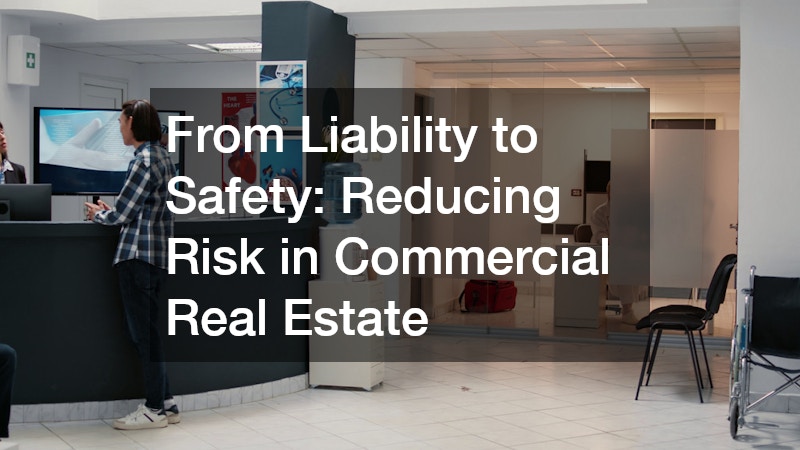
In the world of commercial real estate, the line between a thriving asset and a massive liability is often thinner than most owners realize. Managing a building is not just about collecting rent or keeping the lights on; it is a complex game of risk mitigation. When a property is neglected, small issues snowball into expensive legal headaches, structural failures, and lost tenants. However, when an owner takes a proactive approach to safety and maintenance, the property transforms into a reliable source of revenue and a safe haven for its occupants. This shift from viewing maintenance as a chore to seeing it as a risk management strategy is what separates successful investors from those who struggle to stay afloat.
Real estate professionals often talk about “the bones” of a building, but the systems that keep it running are just as important. Every choice made, from the type of lock on a door to the frequency of roof inspections, plays a role in the overall safety profile of the site. It is about creating an environment where risks are identified before they become emergencies. By focusing on a holistic view of property care, stakeholders can ensure that their investments are protected from the unpredictable nature of the market and the environment.
The Financial Perspective on Risk Mitigation
Risk management starts long before a contractor sets foot on the property. It begins in the office where the numbers are crunched and the budgets are set. A savvy property owner knows that financial oversight is the first line of defense against liability. Engaging a qualified accountant is one of the most effective ways to ensure that there is enough capital set aside for necessary upgrades and emergency repairs. Without a clear financial roadmap, a building owner might be tempted to cut corners on safety to save money in the short term, which almost always backfires in the long run.
A financial expert helps categorize maintenance expenses into capital improvements and operating costs. This distinction is vital for tax purposes and for maintaining a healthy cash flow. When the books are in order, it becomes much easier to justify the cost of high-quality materials and professional services. Instead of seeing a repair as a loss, it is viewed as a calculated investment in the property’s longevity. This professional oversight ensures that the building remains compliant with local regulations and that insurance premiums remain manageable. Ultimately, a strong relationship with a financial professional provides the stability needed to make smart, safety-oriented decisions.
Optimizing Resources and Reducing Waste
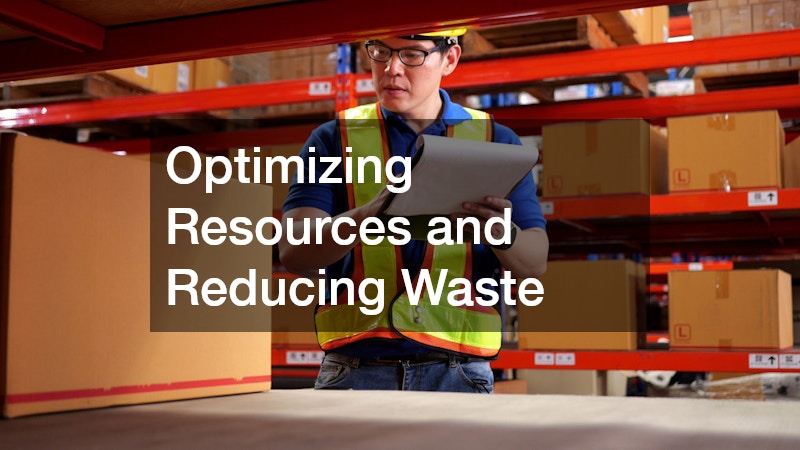
Efficiency is a major component of modern safety. In the past, managing a building’s utilities was mostly about paying the bills on time. Today, however, sophisticated energy management has become a cornerstone of responsible property ownership. By monitoring how a building uses electricity, water, and gas, managers can identify anomalies that might point to a deeper problem. For instance, a sudden spike in water usage might indicate a hidden leak that could eventually cause structural damage or mold growth, leading to a significant health liability.
Implementing smart systems allows owners to control their environment with precision. Automated lighting and climate controls do more than just save money; they ensure that the building is always operating within safe parameters. When a facility is optimized, there is less strain on the electrical systems, which reduces the risk of fire and mechanical failure. This data-driven approach allows for a “predict and prevent” model rather than a “fail and fix” one. It turns the building into an intelligent ecosystem that works to protect itself and its occupants, while also appealing to eco-conscious tenants who value sustainability.
Implementing Modern Security Standards
A building that feels unsafe will never reach its full potential. Security is a top priority for any commercial tenant, whether they are running a retail shop or a high-tech office. Investing in a comprehensive business security system is no longer optional in the current market. This involves more than just hanging a few cameras; it requires a layered approach that includes high-definition surveillance, smart access controls, and 24/7 monitoring. A visible security presence acts as a deterrent to crime, which reduces the likelihood of break-ins and vandalism.
Furthermore, a modern security setup provides a digital paper trail that is invaluable in the event of a legal dispute. If someone claims an injury on the property, having clear video footage can quickly clarify the facts and protect the owner from fraudulent claims. Smart locks and keyless entry systems also allow managers to revoke access instantly when a tenant moves out or an employee is terminated, ensuring that the premises remain secure at all times. This level of control gives both the owner and the tenants peace of mind, fostering a sense of community and stability that is essential for long-term success.
Navigating the Hazards of Winter
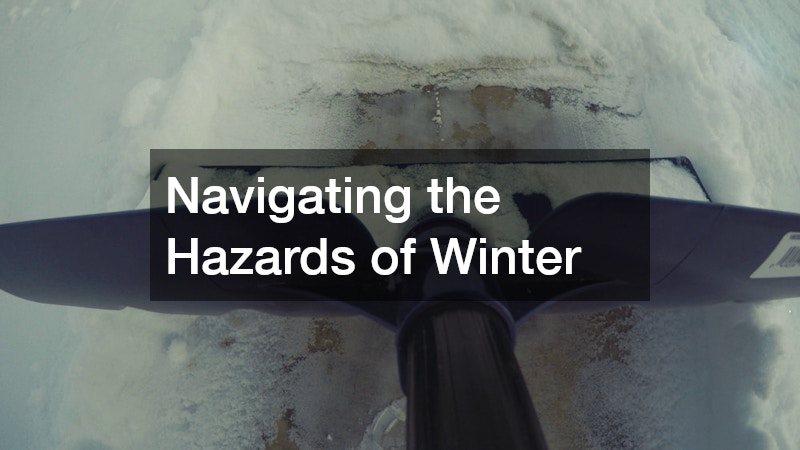
For properties located in colder climates, the arrival of winter brings a whole new set of risks. Slips and falls are among the most common sources of liability claims in commercial real estate. Having a dedicated plan for snow removal is the only way to stay ahead of the weather. It is not enough to simply shovel the sidewalk after the storm has passed; a professional approach involves pre-treating surfaces to prevent ice from forming and having a crew on standby to clear paths as soon as the flakes begin to fall.
A clear parking lot and safe walkways are essential for keeping a business accessible and functional. If customers or employees cannot safely enter the building, the business suffers, and the property owner faces potential lawsuits. Professional crews have the heavy equipment and the manpower to handle large accumulations quickly, ensuring that the property remains open even in harsh conditions. They also know how to pile snow in areas that won’t create drainage issues when the melt begins. By prioritizing winter safety, a manager demonstrates a commitment to the well-being of everyone who visits the site.
Protecting the Building from the Top Down
The roof is perhaps the most vulnerable part of any commercial structure. It is constantly bombarded by UV rays, heavy rain, and fluctuating temperatures. Once a roof begins to fail, the entire building is at risk of water damage, which can ruin interiors and lead to expensive mold remediation. To avoid the massive cost of a total roof replacement, many owners are turning to commercial roof coatings as a preventative measure. These coatings create a seamless, waterproof barrier that can extend the life of an existing roof by decades.
This approach is both cost-effective and environmentally friendly. It reduces the amount of waste sent to landfills and can significantly lower the temperature of the building by reflecting sunlight. This “cool roof” effect makes the interior more comfortable and reduces the load on the heating and cooling systems. Regular inspections and the application of high-quality coatings ensure that the building stays dry and structural integrity is maintained. It is a proactive step that shields the asset from the elements and provides an extra layer of security for the valuable assets and people housed underneath.
Maintaining a Clean and Healthy Environment
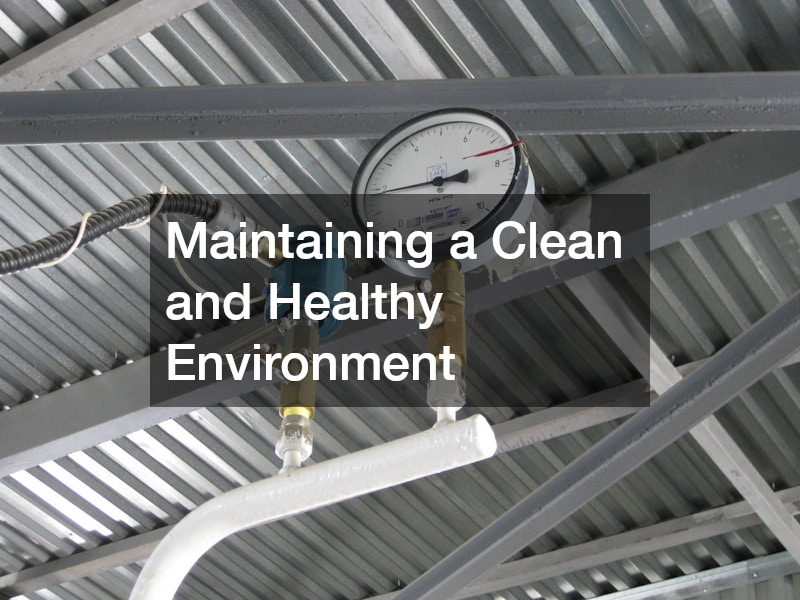
Hygiene and pest management are often overlooked until a problem becomes impossible to ignore. An infestation can ruin a business’s reputation overnight and create a hazardous environment for workers. Partnering with professional pest control companies is the best way to keep a property clean and compliant with health codes. These experts don’t just react to sightings; they perform regular audits of the building’s exterior and interior to identify entry points and food sources that might attract unwanted visitors.
In a commercial setting, “uninvited guests” can cause physical damage to the building as well. Rodents are known for chewing through electrical wiring and insulation, which can lead to fires or system failures. By maintaining a pest-free environment, a property manager protects the building’s infrastructure and ensures a high standard of living or working for the tenants. It is a subtle but vital part of property care that shows a dedication to detail. A clean building is a healthy building, and health is a fundamental component of safety in any shared space.
Ensuring Internal Comfort and Air Quality
The quality of the air inside a building has a direct impact on the productivity and health of its occupants. In a world where indoor air quality is scrutinized more than ever, the role of a commercial air conditioning contractor is indispensable. These professionals are responsible for more than just keeping the air cool; they ensure that the ventilation systems are filtering out pollutants and providing a steady stream of fresh air. Regular maintenance of the HVAC system prevents the buildup of dust and allergens and reduces the risk of sudden breakdowns during a heatwave.
A well-maintained climate control system is also more efficient, which aligns with broader goals of resource management. When the air is moving correctly and the temperature is stable, the building becomes a much more pleasant place to be. This reduces tenant complaints and turnover rates. Furthermore, professional contractors can install advanced filtration and purification systems that can neutralize airborne pathogens, providing an added layer of safety for everyone in the building. It is an investment in the “human” side of the real estate equation, ensuring that the environment supports the people within it.
Aesthetics and Functional Integrity

The visual appeal of a building often reflects its overall health. A property that looks well-cared-for is less likely to be targeted by vandals and more likely to attract high-quality tenants. Hiring a professional painting company to maintain the exterior and interior surfaces is a simple way to preserve the building’s value. Fresh paint does more than just look good; it protects surfaces from moisture and wear, preventing wood rot and metal corrosion. It is a protective skin for the building that helps it stand up to the test of time.
Inside the building, every detail matters for both safety and function. One often overlooked component is the commercial interior door, which serves multiple purposes. These doors must be durable enough to handle constant use, but they also play a role in fire safety and acoustic privacy. A high-quality door can slow the spread of smoke and flames during an emergency, providing precious minutes for occupants to evacuate. Ensuring that these doors are properly installed and maintained is a critical part of a comprehensive safety plan. When aesthetics meet functionality, the building becomes a more cohesive and professional space that inspires confidence in its users.
The Power of Integrated Maintenance
Managing all these different moving parts can be overwhelming for a property owner who is trying to focus on their core business. This is why many successful investors rely on property maintenance services to handle the day-to-day operations. These services provide a single point of contact for everything from landscaping to electrical repairs. By centralizing the care of the building, a manager can ensure that nothing falls through the cracks and that every system is working in harmony with the others.
An integrated approach allows for better scheduling and more consistent quality. Instead of juggling dozens of different vendors, the property owner has a team that understands the specific needs of the building. This consistency is key to reducing liability, as it ensures that all safety protocols are followed across the board. Whether it is a routine inspection or an emergency repair, having a dedicated maintenance team means that problems are solved quickly and correctly the first time. It turns a reactive management style into a proactive strategy that enhances the value of the property and ensures the safety of everyone involved.
Moving Forward with Confidence
Transitioning from a mindset of liability to one of safety is the most important journey a commercial real estate owner can take. It requires a commitment to excellence and a willingness to invest in the right professionals and technologies. By focusing on financial health, operational efficiency, and physical security, a property manager can build a resilient asset that thrives regardless of external pressures. The goal is to create a space where businesses can grow, and people can work without fear of the unexpected.
In the end, risk management is about more than just avoiding lawsuits; it is about building a legacy of quality. A building that is well-maintained, secure, and efficient is a source of pride for the owner and a benefit to the entire community. By taking the steps outlined above, real estate professionals can ensure that their properties remain safe, profitable, and relevant for years to come. It is a long-term strategy that pays dividends in peace of mind and financial success, proving that when it comes to commercial real estate, safety is always the best investment. Through careful planning and a dedication to high standards, the transition from liability to safety becomes not just a goal but a reality that defines the future of the property.