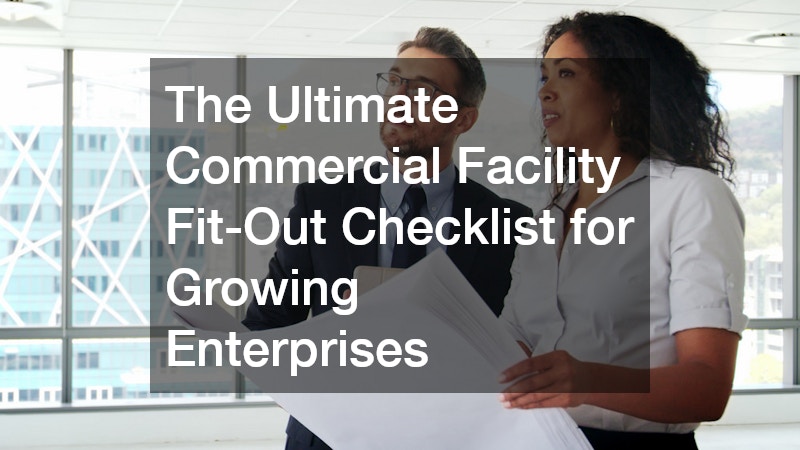
Growing a modern company is an exciting process, but it brings logistical challenges that can overwhelm management teams. Moving from a temporary workspace into a permanent facility is a big step for any expanding brand. This move involves more than finding a building with enough square footage. It requires transforming a raw space into an efficient environment that keeps workers safe and productive. Every choice, from the desk layout to the utility setup, impacts daily expenses and workflows. Companies that do not plan their physical expansion carefully often face unexpected costs and project delays. Gaining access to reliable small business insight before signing a lease allows owners to avoid common real estate traps. This helps them budget accurately for the hidden costs of relocating a company.
Managing an expansion while keeping regular operations running smoothly puts a lot of stress on executive leadership. Business owners often find themselves pulled away from big strategic goals to deal with daily building issues, contractor disputes, and permit delays. This split focus can hurt the core business and slow down growth. To prevent these problems, many executives use professional CEO coaching services to improve their management style during high-growth periods. These programs teach leaders how to form reliable committees, delegate tasks to trusted managers, and maintain a clear view of the scaling process. By learning to delegate, a leader ensures the main business thrives while the new site is being prepared. This guidance keeps the executive grounded and reduces the risk of burnout during demanding transitions.
Assessing the Structural Shell and Layout
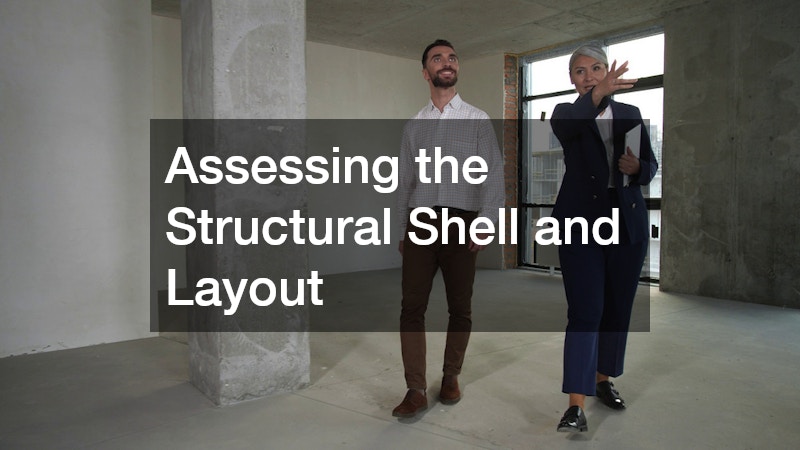
Once the executive team is aligned and the strategy is set, the physical property requires a detailed inspection. It is rare to find a building that fits a company’s specific operational needs perfectly right from the start. Most commercial buildings need major changes, like removing walls for open offices or reinforcing floors for heavy equipment. Trying to manage these structural changes without professional help can cause safety issues and building code violations. Working with a qualified company that specializes in commercial construction is necessary to make sure the property is safe and legally compliant. These building experts know how to handle municipal zoning laws, get required permits, and manage project timelines.
They provide the technical skills needed to turn a basic building shell into a customized work environment designed around specific workflows. Investing in professional builders ensures the property stays durable and useful for many years. Property owners must consider long-term growth when designing the floor plan. If the business plans to add more staff or new product lines within the next few years, the structure should accommodate that growth without needing another major renovation. Well-designed layouts also take into account natural light, employee break areas, and optimal paths for foot traffic. These elements create a pleasant work environment that supports morale and keeps everyone focused. Choosing the right structural partner makes a significant difference in how smoothly the project progresses from the initial blueprints to the final inspection.
Planning Electrical Infrastructure and Power Grids
Behind every office design is an electrical system that keeps the organization connected and running. Modern businesses depend heavily on digital tools, meaning a power failure can cause serious data loss and expensive downtime. Regular residential wiring cannot handle the heavy electrical load required by corporate servers, manufacturing equipment, and extensive lighting arrays. Hiring a licensed commercial electrician is a necessary step to evaluate the building’s power capacity and design a safe system. This professional installs dedicated circuits for sensitive electronics, sets up backup generator systems, and ensures all breaker panels meet current safety rules. Properly planned electrical designs prevent overloaded circuits and minimize fire hazards.
Taking the time to build a strong power grid protects expensive corporate hardware and ensures technology works reliably. An electrician can also advise on energy-efficient lighting upgrades that lower monthly utility bills. They make sure the facility has enough power outlets and data ports in the right places so employees do not have to rely on messy extension cords. Planning for power needs early saves companies from making costly wall modifications later. As technology evolves, the facility may need to support new types of hardware or electric vehicle charging stations in the parking lot. A professional installer ensures that the main panel has the capacity to accept these future upgrades without a complete system overhaul. They also handle the grounding of communication lines, which protects delicate networks from surges.
Optimizing Ventilation and Climate Systems
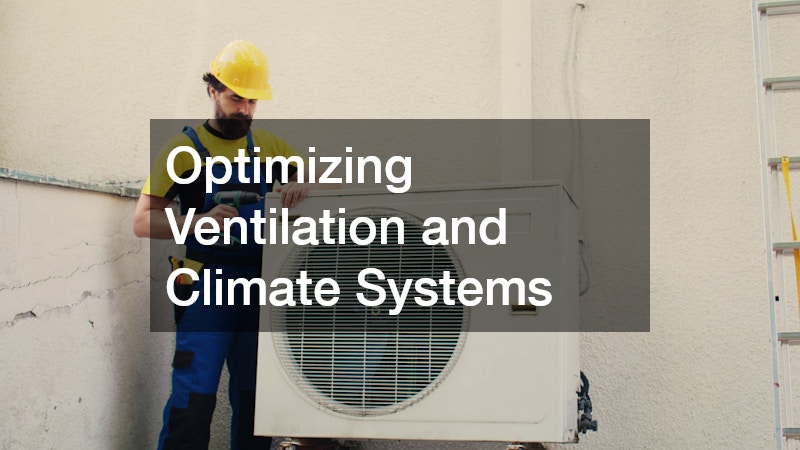
Temperature control and indoor air quality are major factors that affect worker comfort and equipment lifespan. Large corporate facilities generate a lot of internal heat from computers, copiers, and lighting systems. Without an effective climate system, workspaces can quickly become stuffy and uncomfortable, which causes employee energy and focus to drop. Working with a certified commercial HVAC specialist allows an enterprise to install a heating and cooling system designed for their specific space. These advanced systems do more than change the temperature; they also control humidity levels and filter out airborne dust to create a healthier environment. Proper ventilation is especially important for server rooms, which must be kept cool to prevent expensive hardware from breaking down.
By optimizing airflow and creating separate climate zones, businesses can reduce their monthly energy bills while keeping everyone comfortable. Regular maintenance plans should be set up early to prevent sudden system failures during extreme weather seasons. A reliable climate setup ensures that the indoor environment remains stable, pleasant, and productive all year round. Modern ventilation technology can incorporate smart sensors that adjust air delivery based on room occupancy. This means empty conference rooms will not waste energy, while crowded meeting spaces receive extra fresh air automatically. High-quality filtration systems also reduce the spread of seasonal illnesses among staff, which helps lower absenteeism and keeps project timelines on track. Investing in premium climate control equipment pays off through improved operational consistency and lower long-term repair expenses.
Guaranteeing Water Safety and Quality Control
Water quality is an easily ignored part of building management that can cause massive problems if it is neglected. Hard water and mineral deposits can slowly ruin internal pipes and break down breakroom appliances like coffee makers and ice machines. For companies in industries like food service, healthcare, or specialized manufacturing, clean water is a strict legal requirement monitored by health departments. Investing in a professional commercial water treatment service ensures all water entering the facility is properly filtered, softened, and safe to use. This protective step prevents scale buildup in boilers, extends the life of plumbing systems, and ensures drinking fountains provide clean water. Routine water testing and filtration maintenance help businesses avoid expensive plumbing emergencies and stay compliant with local health codes.
Managing water utilities proactively protects the physical infrastructure of the building and keeps the workforce healthy. Clean water also improves the taste of beverages served to clients, which quietly enhances the company’s professional image during meetings. Taking care of water purity is a smart way to insulate the organization from sudden utility failures. Different regions have unique water characteristics, meaning a one-size-fits-all filtration setup rarely works for a large facility. A dedicated service provider will analyze the local water supply to identify specific contaminants and mineral balances. They can then install customized filtration arrays or reverse osmosis systems tailored to the precise needs of the enterprise. This customized approach prevents premature appliance failure and safeguards daily operations.
Implementing Advanced Facility Security
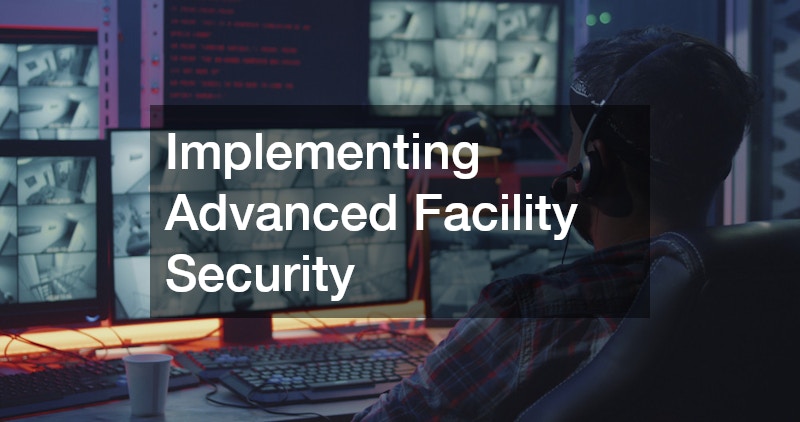
Once the major utility systems are set up, the property represents a large financial investment that must be protected from external threats. Growing businesses accumulate many valuable items, including computers, specialized tools, and sensitive documents. Installing a comprehensive alarm system is an essential step to lower security risks and keep the property safe at all times. A modern security design should include door sensors, motion detectors, high-definition security cameras, and keycard access gates for staff. Connecting this network to a professional monitoring station ensures emergency services are called immediately if a break-in or fire occurs. Security is not just about stopping theft; it is also about creating a safe environment where employees feel secure working early or late.
A reliable security setup can also reduce business insurance premiums and protect the company from liability claims. Knowing that the facility is monitored around the clock allows managers to focus on growth without worrying about property damage. Secure access control also helps track who enters and leaves the building, which improves internal organization. Modern security technology allows administrators to monitor their property remotely via mobile applications. Business owners can check camera feeds, lock doors, and grant temporary access to vendors from anywhere in the world. This level of control is especially useful for managing multiple facilities or handling after-hours deliveries without needing to be physically present. Integrating fire detection into the security network adds protection, ensuring physical assets are shielded from disasters.
Finalizing Small-Scale Mechanical Adjustments
As the main parts of the building renovation wrap up, there is always a long list of small tasks left over. These final touch-ups include things like hanging office signs, assembling desks, mounting whiteboards, and fixing small wall scuffs left by moving teams. Although these jobs seem small, ignoring them can make an otherwise nice office look messy and unprofessional. Hiring an experienced local handyman allows a business to finish this final list quickly without pulling regular workers away from their main jobs. These versatile repair workers have the tools and skills needed to handle various maintenance tasks safely and correctly. Outsourcing these small jobs ensures that everything from door handles to light fixtures is properly aligned and working right away.
It prevents small visual flaws from turning into annoying problems that distract employees during the first week in the new space. A handyman can also help anchor heavy cabinets to walls, which improves workplace safety and prevents accidents. Keeping a reliable repair specialist on call ensures minor facility issues are resolved before they grow into costly repairs. Having a professional take care of these tasks ensures that manufacturer warranties on furniture and fixtures remain valid, as improper assembly can void these protections. It also ensures that heavy items are mounted into wall studs securely, preventing costly damage to drywall later on. This attention to detail creates a polished look that reflects the company’s commitment to quality.
Deep Cleaning and Sanitizing the Workplace
Major building construction leaves behind a lot of fine dust, paint marks, chemical odors, and trash that make a space unready for daily use. Breathing in construction dust can cause irritation and health issues for employees, while dirty floors and smudged windows make the company look unorganized. Booking a professional business cleaning service ensures that every room, office, and restroom is scrubbed, vacuumed, and sanitized before move-in day. Industrial cleaners have the right tools to clean hard-to-reach spots, polish floors, wash windows, and remove hidden dust from air vents. A clean environment shows workers that management cares about their well-being, which makes the move a more positive experience.
Starting work in a pristine space helps establish high standards for office organization and cleanliness. Regular cleaning schedules should be maintained after the move to keep the facility looking its best and to protect employee health over the long term. A sparkling workspace also makes a great impression on visiting clients and business partners. It shows that the company operates with professionalism in every detail. Professional cleaners know how to handle different surfaces properly, ensuring that new hardwood floors, stone countertops, and delicate carpets are not damaged by harsh chemicals. They use specialized sanitization methods that eliminate bacteria and viruses, providing a safe environment from the very first day. This initial deep clean creates a baseline of cleanliness that makes routine daily maintenance much easier for the internal staff to uphold.
Integrating Brand Identity and Final Launch
With the physical structure complete, secure, and clean, the final step is to bring the company culture into the new environment. Moving into a major new facility is a perfect chance to celebrate success with employees, partners, and clients. Handing out high-quality custom promotional products during the opening week helps build excitement and strengthen brand loyalty. Giving items like branded notebooks, clothing, or insulated water bottles turns a standard move into an important company milestone. These branded goods act as ongoing advertisements in the community while lifting employee spirits as they set up their new desks. A good launch strategy combines solid infrastructure with human connection, creating a memorable event that moves the enterprise toward a successful future.