
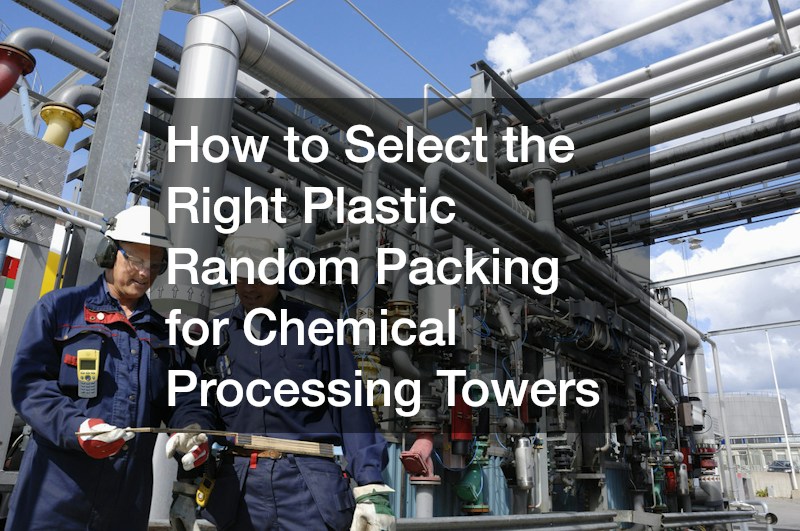
Finding the right type of packing for chemical processing towers is crucial for efficient operation and process optimization within industrial settings. Among the choices available, plastic random packing has gained significant attention due to its versatility, cost-effectiveness, and robust performance in various chemical environments. This comprehensive guide aims to explore the factors influencing the selection of the right plastic random packing, ensuring that you make an informed decision that balances performance and cost.
Understanding Plastic Random Packing
Plastic random packing refers to a range of packing materials used to enhance mass transfer efficiency within chemical processing towers. This type of packing is particularly advantageous for applications involving high corrosive resistance, as plastics are inherently resistant to a wide array of chemicals. It is manufactured in numerous shapes, such as Pall Rings, Saddles, and Raschig Rings, each design providing unique characteristics that can be tailored to specific application needs.
One of the most compelling reasons to utilize plastic random packing is its cost-effectiveness compared to metals and ceramics. Not only is it more affordable, but it also requires less maintenance due to its high durability and corrosion resistance. Moreover, plastic random packing is lightweight, which lowers transportation and installation costs, making it an attractive option for projects with tight budgets or remote locations.
The versatility of plastic random packing is further enhanced by its ability to operate under a wide range of temperatures and pressures. This adaptability makes it suitable for various industries, including chemical processing, water treatment, and environmental control. The choice of design and material composition allows engineers to optimize packing to achieve desired results, whether focusing on better flow distribution, minimized pressure drop, or enhanced heat exchange.
Considering Operational Parameters
When selecting plastic random packing for chemical process towers, understanding the tower’s operational parameters is essential. These parameters include throughput, column size, and the types of chemicals involved in the process. Each factor affects the selection of packing size, shape, and material composition, ultimately impacting column efficiency and longevity.
The chemical compatibility of the packing material with the substances involved in the process is critical. Certain plastics provide excellent resistance to specific chemicals while degrading rapidly in others. Hence, a thorough compatibility analysis ensures the packing’s durability, avoiding frequent replacements and downtime, which can lead to increased operational costs.
Another crucial consideration is the packing’s hydrodynamic properties, such as pressure drop and mass transfer efficiency. The selected packing should facilitate optimal liquid distribution and vapor flow, which correlates to higher efficiency in mass transfer and reduced energy consumption. The packing must also withstand the mechanical loads within the system, ensuring structural integrity over prolonged periods of operation.
Comparing Different Types of Plastic Random Packing
Plastic random packing comes in various forms, each offering distinct advantages and suitability for different process requirements. Pall Rings are widely used due to their open structure, which provides excellent liquid distribution and reduced pressure drop, making them ideal for applications requiring high flow rates. Additionally, their design reduces the risk of fouling, enhancing operational consistency and reducing maintenance needs.
Saddle packings, on the other hand, are preferred for their rigidity and ease of handling during installation. Their curved surface promotes good wetting properties and facilitates even distribution of liquids, which is particularly beneficial in processes that involve complex chemical reactions. The robustness of saddle packing allows it to perform well under varying process conditions, ensuring reliability and efficiency.
Raschig Rings, although one of the older packing designs, remain popular for their simplicity and effectiveness in mass transfer applications. They provide a balance between cost, efficiency, and availability, often used in situations where cost control is critical without compromising performance. Each type of packing has particular benefits and limitations, necessitating a detailed evaluation to match the packing with the process requirements effectively.
Selecting the right plastic random packing for chemical processing towers requires a detailed understanding of both the process requirements and the packing properties. The decision should consider factors like chemical compatibility, hydrodynamic performance, cost, and operational conditions to ensure optimal efficiency and longevity. By thoroughly assessing these elements, one can leverage the inherent advantages of plastic random packing, which include cost-effectiveness, versatility, and robust performance within diverse chemical environments.
Whether it’s the need for high mass transfer rates, minimal pressure drop, or resilience against corrosive substances, plastic random packing offers a reliable solution tailored to complex industrial challenges. It provides not only a reduction in operational costs but also enhances the sustainability and productivity of chemical processing facilities. With careful selection and maintenance, plastic random packing can significantly contribute to improved tower performance and operational success.