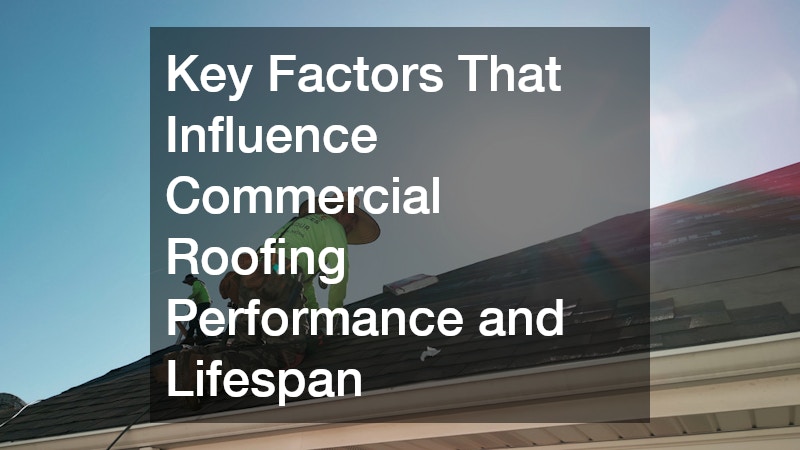
Commercial buildings rely on durable roofing systems to help protect operations, equipment, inventory, and occupants from weather-related damage. Because roofing systems are exposed to constant environmental stress, their performance and lifespan often depend on several important factors. From material selection to maintenance practices, understanding what affects roof longevity can help property owners make informed decisions.
When evaluating commercial roofing, it is important to consider both immediate performance and long-term durability. A well-maintained roofing system can help reduce repair costs, improve energy efficiency, and support overall building protection.
Roofing Material Selection Matters
One of the most significant factors affecting roof performance is the type of roofing material installed. Different materials offer unique advantages depending on the building type, climate, and operational needs.
Common commercial roofing materials include:
- TPO (Thermoplastic Polyolefin)
- EPDM (Ethylene Propylene Diene Monomer)
- PVC (Polyvinyl Chloride)
- Modified Bitumen
- Built-Up Roofing (BUR)
- Metal Roofing
Each material varies in terms of durability, resistance to weather, energy efficiency, and maintenance requirements. For example, TPO and PVC are often selected for their reflective properties, which may help reduce cooling costs in warmer climates. Metal roofing systems are frequently chosen for their longevity and durability.
Selecting the right roofing material should involve evaluating environmental exposure, budget, and long-term performance goals.
Climate and Weather Exposure Play a Major Role
Weather conditions have a direct impact on roofing performance over time. Commercial roofs are constantly exposed to sunlight, rain, snow, wind, and temperature fluctuations.
UV exposure can gradually break down roofing materials, especially in areas with prolonged sun exposure. Heavy rainfall may increase the risk of pooling water if drainage systems are not functioning properly. Snow and ice can create additional weight stress and contribute to moisture intrusion.
Regions that experience severe storms, hail, or high winds may also place extra demands on roofing systems. Over time, repeated weather exposure can weaken materials, compromise seams, and accelerate wear.
Understanding local climate conditions is essential when choosing and maintaining a roofing system.
Installation Quality Can Affect Long-Term Results
Even high-quality roofing materials may underperform if installation is not completed properly. Poor workmanship can lead to issues such as leaks, weak seams, inadequate flashing, and drainage problems.
Proper installation involves several important steps, including:
- Surface preparation
- Correct insulation placement
- Secure membrane attachment
- Proper sealing around penetrations
- Effective drainage planning
Small installation errors may not be immediately visible but can contribute to long-term performance issues. Working with experienced roofing professionals can help ensure the system is installed according to manufacturer specifications and industry standards.
A properly installed roof often provides better long-term performance and fewer maintenance concerns.
Drainage Performance Impacts Roof Health
Water management is critical for any commercial roofing system. Flat and low-slope roofs are particularly vulnerable to standing water if drainage systems are not functioning effectively.
Ponding water can place additional stress on roofing materials and may increase the risk of leaks, membrane deterioration, and structural issues. Over time, prolonged moisture exposure can shorten roof lifespan significantly.
Key drainage components include:
- Roof drains
- Gutters
- Downspouts
- Scuppers
- Proper roof slope
Regular inspections can help identify drainage issues before they become costly problems.
Regular Maintenance Supports Roof Longevity
Routine maintenance plays a major role in extending the life of commercial roofing systems. Even durable roofing materials benefit from consistent inspections and preventative care.
Maintenance may include:
- Removing debris
- Checking for ponding water
- Inspecting flashing and seams
- Identifying punctures or damage
- Monitoring roof penetrations
Minor issues can often worsen if left unaddressed. A small leak or membrane puncture may eventually lead to larger structural concerns, insulation damage, or interior water intrusion.
Scheduled maintenance helps property owners identify potential problems early and may reduce the likelihood of major repairs.
Foot Traffic and Equipment Placement Matter
Many commercial roofs support HVAC units, vents, solar systems, and other equipment. Regular foot traffic from maintenance personnel can contribute to wear and tear over time.
Repeated walking on roofing surfaces may cause punctures, compression, or membrane damage, especially in high-traffic areas. Equipment installations can also create vulnerable points where leaks may develop if flashing and seals deteriorate.
Using designated walk pads and maintaining clear access paths can help reduce unnecessary damage.
Property owners should also ensure rooftop equipment is inspected regularly to minimize risks to the roofing system.
Roof Age and Existing Condition Influence Performance
Every roofing system has a projected lifespan, but actual longevity depends heavily on care, environmental exposure, and usage conditions.
As roofs age, materials naturally begin to deteriorate. Membranes may shrink, seams may weaken, and flashing components may become less effective. Older roofs may require more frequent inspections to monitor changes in performance.
Understanding the current condition of a roof helps guide maintenance, repair, or replacement decisions. Routine professional assessments can provide valuable insight into remaining roof life.
Partner With Trusted Commercial Roofing Professionals
Commercial roofing performance depends on multiple factors, including material quality, weather exposure, installation, drainage, maintenance, and roof age. Paying attention to these factors can help property owners protect their investment and improve long-term building performance.
For businesses seeking reliable roofing solutions, Resistance Exteriors provides professional commercial roofing services designed to support long-term durability and performance. Whether you need inspections, repairs, maintenance, or a full roof replacement, Resistance Exteriors offers experienced guidance and dependable service to help protect your commercial property.
Emma Davies
Recent Posts