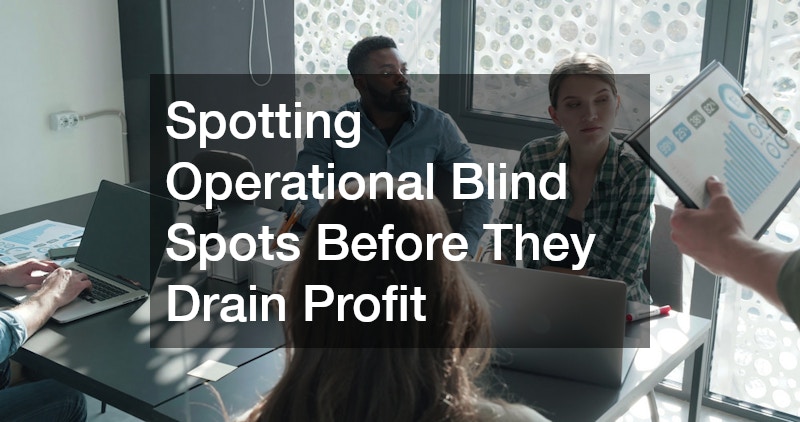
Every property owner eventually discovers that small, overlooked inefficiencies can quietly chip away at profit long before anyone notices a real problem. These operational blind spots rarely announce themselves with a dramatic failure; instead, they show up as slowly rising costs, missed opportunities, or wasted time that adds up over months and years. Whether you own a rental property, run a small business out of a commercial space, or manage a mixed-use building, learning to spot these gaps early can save you significant money.
This guide walks through the most common blind spots property owners face and practical ways to catch them before they drain your bottom line.
Why Small Inefficiencies Go Unnoticed for So Long
Most operational blind spots develop gradually, which is exactly why they slip past busy owners and managers. A slightly higher utility bill, a few extra minutes of downtime, or a slow leak in productivity rarely trigger alarm bells on their own. Each of these looks like statistical noise rather than a trend, especially when monthly reports round numbers off or bury details in year-over-year comparisons.
Human attention is also wired to notice sudden change, not slow drift. A 15% spike in shipping costs will get flagged immediately, but a 1% creep every month for a year produces the same result while feeling completely unremarkable at each step. By the time someone finally notices, the business has often absorbed months of avoidable expense without a single moment that felt like a crisis.
Over time, though, these small issues compound into real financial losses that are much harder to unwind once they become habitual. A machine running 5% below optimal speed, an employee spending 20 extra minutes a day on a manual workaround, or a subscription service nobody uses anymore can each seem trivial in isolation. Multiplied across a year, a team, or multiple locations, though, these same inefficiencies can quietly erode thousands of dollars in margin.
Recognizing that blind spots are a pattern, not a single event, is the first step toward catching them early. That means looking for trends across weeks and months rather than judging performance by any single day or report, and asking whether “normal” has quietly shifted from where it used to be.
Owners often assume that if nothing is visibly broken, everything must be running efficiently. This assumption is dangerous because inefficiency and outright failure are two very different things. A building can pass every inspection and still bleed cash through outdated HVAC systems running longer than necessary, service contracts that were never renegotiated, or staff schedules built around habits rather than actual demand.
The problem is that small inefficiencies rarely announce themselves. A thermostat set two degrees off, a maintenance request that takes an extra day to process, or a vendor invoice that creeps up 3% each renewal — none of these trigger alarms on their own. It’s only when you add them up across a year, or across multiple properties, that the real cost becomes visible.
There’s also a psychological factor at play: teams get used to “how things have always been done,” and familiarity breeds blindness. Employees stop questioning a workaround once it becomes routine, even if it was only ever meant to be temporary. Owners who rely solely on staff reports may never hear about these workarounds, simply because no one thinks to mention something that “isn’t a problem.”
Building a habit of periodic review, rather than waiting for something to break, is what separates proactive owners from reactive ones. That means scheduling regular audits of utility costs, vendor contracts, and workflow patterns even when nothing seems wrong. Catching a 5% drift in efficiency early is far cheaper than discovering a 25% loss two years later.
Security Gaps That Quietly Cost Money
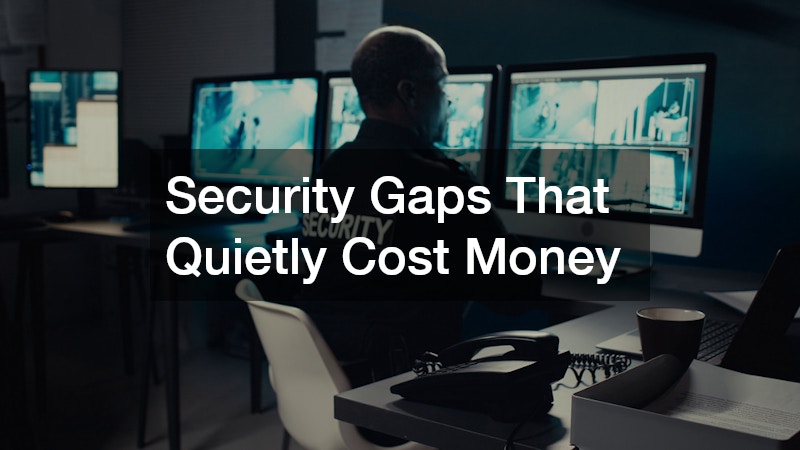
Physical security is one of the most common blind spots because owners tend to think of it only in terms of break-ins or theft. In reality, security gaps also show up as unmonitored deliveries, unauthorized access to storage areas, or employees and contractors coming and going without any record. Installing commercial surveillance cameras in key areas like entrances, loading zones, and storage rooms gives owners a clear, ongoing record of activity that can prevent both theft and liability disputes. Beyond catching bad actors, footage also helps identify inefficient traffic patterns or bottlenecks that slow down daily operations.
Many owners install cameras once and never revisit their coverage as the property or business evolves. As layouts change or new equipment is added, blind spots in the literal sense can develop right alongside the operational ones. Reviewing camera placement every year or two ensures that the system continues to protect the areas that matter most.
- Check that entry points, loading docks, and cash-handling areas are fully covered
- Review footage retention policies to ensure records are available when needed
- Confirm that camera systems are integrated with any existing alarm or access control setup
- Reassess coverage after any renovation or layout change
Moving and Relocation Costs That Sneak Up on You
Relocating a business, staging a property, or shifting inventory between locations is one of those tasks that seems simple until it happens. Owners frequently underestimate the labor, time, and coordination involved, which leads to rushed decisions and inflated costs. Hiring local movers who understand the specific logistics of commercial or residential relocations can actually reduce total spend by preventing damage, delays, and duplicated labor. A professional crew familiar with the area can also navigate permitting, parking restrictions, and building access rules that out-of-town companies might not anticipate.
The hidden cost of a poorly planned move often shows up afterward, in the form of lost productivity while everyone adjusts to a new space. Planning the move around slow business periods, and communicating timelines clearly to everyone involved, minimizes this disruption. A well-organized relocation should feel like a brief pause rather than a weeks-long recovery process.
Maintenance Routines That Are Costing More Than They Save
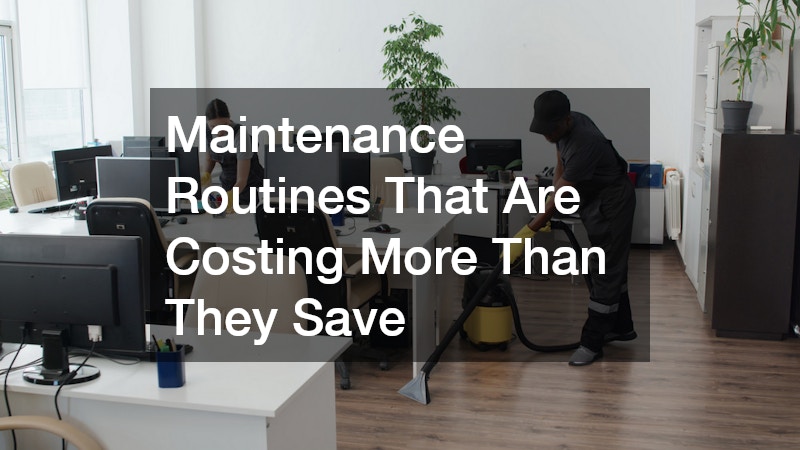
Deferred maintenance is one of the clearest examples of an operational blind spot because it feels like saving money in the short term while creating much higher costs later. A property that looks clean on the surface can still have deeper issues, from clogged HVAC filters to worn flooring that accelerates damage. Regular commercial cleaning does more than improve appearances; it also serves as an early warning system for maintenance issues, since cleaning crews are often the first to notice leaks, mold, or wear that owners might miss during a quick walkthrough.
Owners who treat cleaning and maintenance as separate, disconnected tasks often miss the connection between the two. A consistent schedule that pairs cleaning with basic inspection routines catches small problems while they are still inexpensive to fix. This approach also extends the life of flooring, fixtures, and equipment, which protects the long-term value of the property.
- Schedule deep cleaning at intervals that match your property type and foot traffic
- Ask cleaning staff to flag anything unusual, like water stains or musty odors
- Pair cleaning schedules with quarterly maintenance inspections
- Keep a simple log of recurring issues to spot patterns over time
Signage That No Longer Works for Your Property
Signage is easy to overlook once it is installed, but outdated or poorly placed signs can quietly cost a business customers and revenue. Faded, damaged, or hard-to-read commercial signs send an unintentional message that a business is not being actively maintained, which affects how potential customers perceive its reliability. Regularly walking or driving past your property from a customer’s perspective can reveal problems that are invisible from the inside, like glare, obstructed views, or lighting that no longer works after dark.
Effective business signs do more than display a name; they guide visitors, communicate hours, and reinforce branding at a glance. Owners should periodically evaluate whether their signage still matches their current offerings, especially after a rebrand, renovation, or change in services. A five-minute audit twice a year is often enough to catch issues before they affect foot traffic.
- Check visibility from both directions of nearby traffic
- Confirm that lighting still functions properly at night
- Update signage after any branding, service, or hours changes
- Look for wear, fading, or damage that could affect readability
Underused or Poorly Matched Commercial Space
Space that does not match current business needs is one of the more expensive blind spots because the cost is ongoing rather than one-time. Owners sometimes hold onto a location out of habit, even when square footage, layout, or location no longer serves the business well. Evaluating options for commercial property for lease in a different area or configuration can reveal opportunities to reduce overhead while improving customer access or operational flow. This is especially worth revisiting if foot traffic patterns, staffing needs, or local competition have shifted since the original lease was signed.
A simple annual review of square footage usage, foot traffic, and lease terms helps owners decide whether their current space still makes financial sense. Sometimes downsizing or relocating saves more money than any operational tweak could. Other times, staying put with a renegotiated lease is the smarter move, but that only becomes clear after a proper review.
Undervalued Assets Hiding in Plain Sight
Not every blind spot involves losing money outright; some involve failing to recognize value that is already sitting on the property. Estate sales, old safes, and inherited collections sometimes include items that owners assume are worthless but are actually valuable. A professional coin appraisal, for example, can uncover collectible or rare pieces that would otherwise be sold for scrap value or overlooked entirely during a property clean-out. This kind of oversight is common when properties change hands quickly or when heirs are unfamiliar with what they have inherited.
Taking time to properly assess unusual or old items before disposing of them protects against accidental loss of value. This is particularly relevant for property managers handling estate properties or storage unit contents. A brief professional evaluation costs little compared to the potential value it can reveal.
Equipment and Fixtures That No Longer Fit the Business
As a business grows or changes direction, its physical equipment and fixtures often lag behind. Shelving, railings, security gates, and structural fixtures that were adequate at launch may no longer support current volume or safety requirements. Working with a custom metal fabrication company allows owners to replace generic fixtures with solutions built specifically for their space, which can reduce wasted room, improve workflow, and extend the life of the equipment. Custom solutions also tend to require less frequent replacement than off-the-shelf alternatives, which reduces long-term costs.
Owners should periodically walk through their space and ask whether current fixtures still support daily operations efficiently. Bottlenecks caused by outdated shelving or poorly designed storage are easy to miss because staff simply adapt around them. Addressing these gaps directly, rather than working around them indefinitely, often reveals meaningful time and cost savings.
Waste and Debris Management During Projects
Renovation, cleanout, or construction projects generate waste faster than most owners anticipate, and poor planning around debris removal can slow a project significantly. Renting commercial roll off dumpsters ahead of time ensures that waste does not pile up and interfere with contractors, deliveries, or daily operations. Without a clear disposal plan, projects often experience delays simply because there is nowhere to put demolition debris or old materials.
Planning dumpster size and placement in advance also prevents unnecessary rental extensions, which quietly add to project costs. Owners should estimate debris volume based on the scope of work and choose a container size accordingly, rather than defaulting to whatever is convenient. A little upfront planning here avoids both wasted time and wasted money.
Energy Efficiency Issues Hiding in Windows and Glass
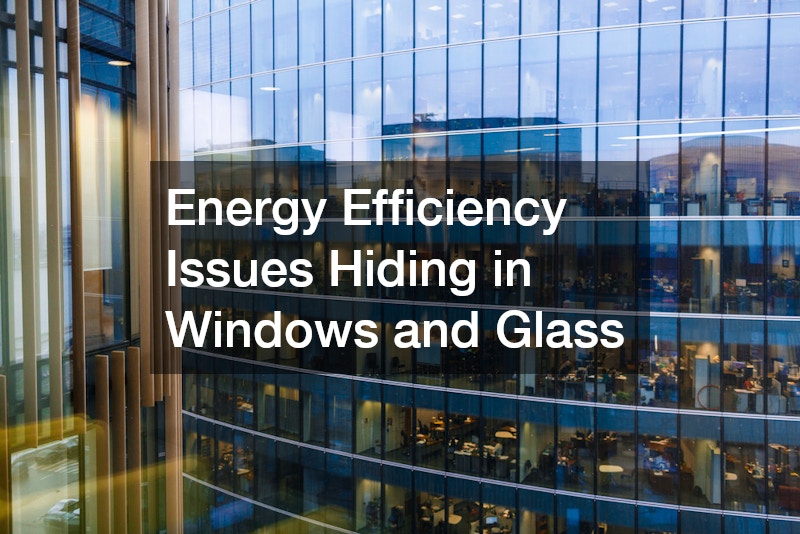
Heating and cooling costs are a frequent blind spot because owners tend to focus on HVAC equipment while overlooking the building envelope itself. Older or untreated windows allow significant heat transfer, forcing HVAC systems to work harder than necessary. Commercial window tinting is a relatively low-cost upgrade that reduces solar heat gain, lowers energy bills, and can extend the life of interior furnishings by reducing UV exposure. This upgrade is especially valuable for properties with large glass frontages, where sunlight exposure is highest throughout the day.
Beyond energy savings, tinting can also reduce glare for employees and customers, improving comfort without any structural changes. Owners often underestimate how much of their energy bill is tied to windows until they see a noticeable difference after installation. A simple energy audit can help determine whether this upgrade would offer meaningful savings for a specific property.
Conclusion
Operational blind spots rarely look dramatic while they are happening, which is exactly why they are so easy to ignore until the cost becomes obvious. The good news is that most of these issues can be caught early with regular, deliberate review rather than expensive overhauls. Start by walking through your property with fresh eyes, questioning routines you have not reevaluated in years, and addressing small inefficiencies before they compound. Taking these steps consistently protects both your property’s value and your long-term profitability.