
Watching your first business location struggle can feel like a gut punch, especially when you poured your savings and hopes into that address. Foot traffic is thin, sales aren’t matching projections, and you’re left wondering if the problem is fixable or if you made a costly mistake. The good news is that an underperforming location isn’t necessarily a failed venture — it’s often a signal that something specific needs attention, whether that’s the physical space, the local market, or your visibility in the community. This guide walks through practical ways to diagnose the issue and build the resilience needed to turn things around.
Recognizing the Warning Signs of an Underperforming Location
When a new location isn’t living up to expectations, the signs are rarely a single dramatic event. Instead, they tend to show up gradually, in the numbers and in the day-to-day feel of the place, which makes them easy to dismiss as a rough patch rather than a pattern. Paying attention early, before a slow start turns into a long-term drain on savings and morale, gives you far more options for turning things around.
The key is separating normal growing pains from genuine red flags. Most new ventures take time to build a customer base, so a slow first few months isn’t automatically a crisis. What matters is whether the trend line is moving in the right direction over a reasonable stretch of time, or whether the same problems keep resurfacing month after month without improvement.
- Revenue or foot traffic that stays flat or declines for three or more consecutive months, rather than showing gradual improvement
- Repeat customers not returning, or reviews mentioning the same complaints about service, cleanliness, or value
- Monthly expenses consistently outpacing income even after initial startup costs have leveled off
- Staff turnover or dwindling motivation, which often signals deeper operational or morale issues
- A noticeable gap between projected performance in your original business plan and actual results, especially if that gap is widening rather than closing
Understanding the Local Economic Factors at Play
Before assuming a location is a lost cause, it helps to look honestly at the economic forces shaping the area around it. A town’s spending power often rises and falls with its dominant employers, so if the local economy leans heavily on a single industry, such as logging companies, agriculture, or a seasonal tourist trade, foot traffic and disposable income can swing dramatically depending on the time of year or the health of that sector. A location that looked promising during a hiring boom might struggle months later if layoffs, weather, or supply chain issues hit the industries residents depend on for paychecks.
It is worth digging into public data and community resources rather than relying on gut feelings about why business has been slow. Comparing your experience to what is actually happening in the surrounding economy can reveal whether the issue is truly about your business or simply timing tied to forces outside your control.
A few things worth checking include:
- Local unemployment trends and recent plant or facility closures reported by the county or state labor department
- Seasonal population shifts, such as college terms, tourist seasons, or agricultural harvest cycles
- Average household income and how it compares to nearby towns or neighborhoods
- Recent commercial vacancies or new competitors opening nearby
- Infrastructure changes like road construction or transit reroutes that affect how easily people reach your area
Rebuilding Customer Trust with Better Security
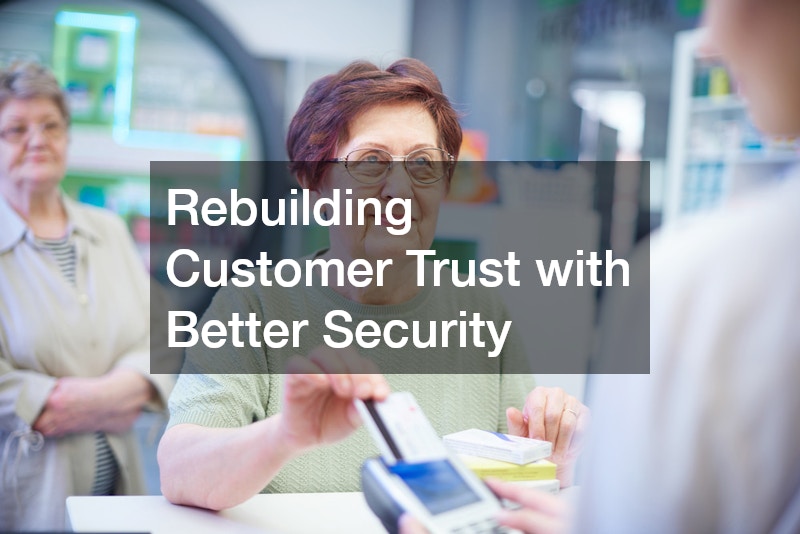
When a first location struggles, customers often notice more than slow sales. They pick up on small signs of neglect, like a dim parking lot, a propped-open back door, or a storefront that feels unwatched after dark. Rebuilding trust starts with showing people, not just telling them, that the space is safe and well cared for. Upgrading visible safety measures is one of the fastest ways to change how a location feels to both new and returning customers, and installing commercial security cameras in key areas sends a clear signal that the business takes their safety seriously without being overbearing about it.
Beyond cameras, a genuine security refresh looks at the whole customer experience, from the moment they park to the moment they leave. It also helps to think about how staff respond to incidents, since a fast, calm reaction to a shoplifting attempt or a parking lot dispute does more for reputation than any camera ever could. Small, consistent improvements add up faster than one big overhaul, and customers tend to reward that kind of steady attention with repeat visits.
A few practical steps worth considering include:
– Improve exterior lighting around entrances, exits, and parking areas so the space feels welcoming after dark – Add visible cameras at entry points and cash handling areas, positioned so customers notice them without feeling watched – Train staff on basic de-escalation and emergency response so incidents are handled quickly and calmly – Fix broken locks, doors, or gates promptly, since visible disrepair signals neglect faster than almost anything else – Ask regular customers for honest feedback about how safe they feel, since their perspective often catches things owners miss
Refreshing Your Storefront and Brand Visibility
When a location isn’t performing well, it’s easy to assume the problem lies entirely in pricing or marketing spend, but sometimes the issue is simpler: people are driving past and not realizing you’re open, relevant, or worth stopping for. A tired awning, faded paint, or signage that hasn’t been updated in years can quietly signal to passersby that a business is outdated or struggling, even if the inside tells a completely different story. Walking or driving up to your own storefront as if you were a first-time customer can be revealing. Notice whether your hours, name, and offerings are clearly visible from the street, and whether the overall impression feels current or neglected. Small, affordable changes like fresh paint on the entrance, clean windows, updated window decals, or new custom business signs can make a location feel reinvigorated without requiring a full renovation budget.
Beyond the exterior, think about how your brand shows up in the small touches customers notice without consciously registering them, things like consistent colors on menus, receipts, or packaging, a website that reflects the current look of your physical space, and social media photos that show an inviting, well-kept environment. If your first location has struggled, potential customers nearby may have already formed an opinion based on outdated impressions, so a visible refresh can serve as a signal that things have changed for the better. This doesn’t need to happen all at once. Prioritizing the elements most visible to new customers, such as the entrance, signage, and street-facing windows, tends to offer the most noticeable return for the effort involved, and gradual improvements can be made as time and budget allow.
Tackling Hidden Infrastructure Problems
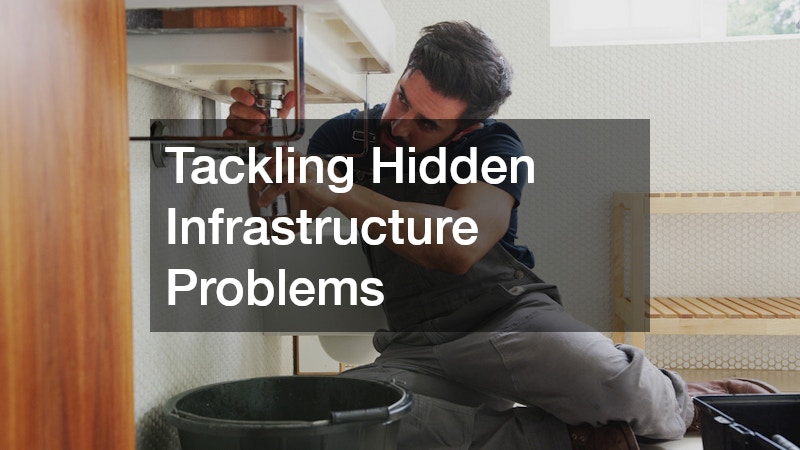
When a first location isn’t performing the way you expected, it’s easy to blame foot traffic or pricing before looking underneath the surface. But a surprising number of underperforming properties are quietly fighting against infrastructure issues that drain money and morale long before they show up on a sales report. Aging wiring that trips breakers during peak hours, HVAC systems that can’t keep pace with customer volume, or a roof that’s been patched one too many times can all chip away at the customer experience and your bottom line without ever appearing as a clear line item. Getting a candid assessment from commercial electrical contractors and a commercial roofer early on can help you separate a location problem from a maintenance problem, which changes the entire conversation about whether to renovate, relocate, or renegotiate your lease.
Before assuming your business model is flawed, it’s worth walking the property with a critical eye and asking whether the building itself is working against you. Small, recurring annoyances are often the visible edge of a much larger issue that’s been deferred by previous owners or landlords.
Signs worth investigating before you write off a location:
– Frequent breaker trips or flickering lights during busy periods, which can point to undersized electrical panels – Water stains, musty smells, or soft spots on ceilings that suggest a roof nearing the end of its life – Utility bills that climb noticeably faster than comparable locations, hinting at poor insulation or outdated systems – Persistent temperature complaints from customers or staff despite a functioning thermostat – Visible patch jobs or repairs that seem to reappear in the same spots year after year
Addressing these issues honestly, rather than working around them indefinitely, often reveals whether your first location has real long-term potential.
- Frequent breaker trips or flickering lights during busy periods, which can point to undersized electrical panels
- Water stains, musty smells, or soft spots on ceilings that suggest a roof nearing the end of its life
- Utility bills that climb noticeably faster than comparable locations, hinting at poor insulation or outdated systems
- Persistent temperature complaints from customers or staff despite a functioning thermostat
- Visible patch jobs or repairs that seem to reappear in the same spots year after year
Reconfiguring Your Space for Better Performance
Before you assume the location itself is a lost cause, take a hard look at whether the layout inside is actually working for the way customers move and shop. A cramped entrance, an awkward checkout flow, or a back area that eats up prime square footage can quietly push people out the door before they ever spend money. Walk through your space as if you were a first-time visitor, and note where you hesitate, backtrack, or feel crowded. Sometimes the fix is as simple as rearranging displays or shelving, but other times underperformance points to a structural issue, like a load-bearing wall blocking sightlines or a ceiling height that limits how you can use the room. In those cases, it often makes sense to bring in commercial contractors who can evaluate what changes are actually feasible within your building’s structure and local code requirements, rather than guessing on your own and risking costly mistakes.
If your reconfiguration involves anything beyond cosmetic changes, such as removing walls, adding mezzanine storage, or installing heavier equipment like HVAC units or signage on an upper level, you may need more than a general renovation crew. Larger structural adjustments sometimes require crane services to lift and position materials safely, especially in tight urban lots or spaces with limited access points. Planning these logistics early, before demolition starts, helps you avoid delays and unexpected costs later in the project. It also gives you a clearer picture of your realistic budget and timeline, so you can decide whether a full reconfiguration is worth pursuing or whether smaller adjustments might get you most of the benefit for a fraction of the disruption. Either way, treating your space as something you can actively reshape, rather than a fixed constraint, is often the first real step toward turning underperformance around.
Controlling Costs Through Smarter Equipment Management
When a location isn’t pulling its weight financially, every dollar spent on equipment starts to matter more than it did when revenue was flowing easily. Instead of replacing machinery at the first sign of trouble, it often makes more sense to extend the life of what you already own. A worn hydraulic lift or compactor doesn’t necessarily need to be scrapped outright; targeted hydraulic repairs can restore most of the original performance for a fraction of the cost of a new unit, buying you time to see whether the location can turn around. The same logic applies to vehicles, generators, and any other machinery tied to daily operations: a repair-first mindset keeps cash in the business while you’re still figuring out whether the underperformance is temporary or structural.
Once you’ve identified equipment that’s truly beyond saving, don’t let it just sit around depreciating in a back lot or storage unit. Scrap metal recycling turns dead weight into usable cash, and many recyclers will pick up larger items on-site, which saves you the hassle of transport. Before making any decisions about aging equipment, it helps to run through a quick checklist:
– Get a repair estimate before assuming replacement is cheaper – Check whether parts can be sourced used or refurbished – Compare the cost of a service contract against pay-as-you-go repairs – Sell or recycle anything that’s no longer earning its keep – Track maintenance costs per item so patterns of failure become visible
This kind of disciplined equipment review does double duty: it slows the bleed of unnecessary spending and gives you clearer data on which assets are actually worth keeping if you decide to scale back or relocate.
- Get a repair estimate before assuming replacement is cheaper
- Check whether parts can be sourced used or refurbished
- Compare the cost of a service contract against pay-as-you-go repairs
- Sell or recycle anything that’s no longer earning its keep
- Track maintenance costs per item so patterns of failure become visible
Bridging the Gap with Temporary Solutions
When a location isn’t pulling its weight, the instinct is often to either double down with costly upgrades or cut losses entirely. But there’s a middle path: using temporary, low-commitment solutions to keep the business alive while you figure out the real problem. This might mean shifting part of your operation outdoors, testing a pop-up format in a busier part of town, or scaling back hours to reduce overhead without shutting the doors. If foot traffic is the issue, some owners find that hosting outdoor events, markets, or seasonal setups on the same property brings in new customers who might otherwise never have noticed the business. These temporary moves buy you time and real data without locking you into a long-term decision you might regret.
If your workaround involves any kind of outdoor gathering, construction phase, or expanded footprint beyond your original building, practical logistics matter more than people expect. For example, arranging portable restroom rentals is a simple but often overlooked step when you’re hosting customers outside your usual four walls, especially if your existing facilities can’t handle extra foot traffic. Before committing to any stopgap approach, it helps to run through a short checklist:
– Confirm local permits or zoning rules for temporary outdoor use – Assess whether existing utilities can support added demand – Set a firm timeline so the temporary fix doesn’t quietly become permanent – Track customer response so you have real numbers, not just impressions – Keep a simple budget cap so the workaround doesn’t drain resources meant for a real fix
Treating these interim steps as a controlled experiment, rather than a permanent patch, keeps you focused on solving the underlying problem instead of just masking it.
Once you’ve confirmed that the underperformance isn’t just a temporary dip, the real work begins: deciding whether to move, change direction, or dig in and give the current setup more time. This decision shouldn’t be based on gut feeling or frustration alone. Pull together your actual numbers, foot traffic patterns, lease terms, and local competition, then map out what each path would realistically cost in time, money, and stress before you commit to one.
Start by asking a few honest questions about your situation. Relocating makes sense if the core problem is location itself, poor visibility, limited parking, or a customer base that simply isn’t there. Pivoting fits better when the space and area are fine, but the offering isn’t resonating. Pushing forward is worth considering only if you can point to a specific, fixable reason for the slow start, such as a recent grand opening or a temporary construction detour nearby.
A short checklist can help clarify which route fits your circumstances:
Lease flexibility: Can you exit or sublease without severe penalties, or are you locked in for years?
Cash reserves: Do you have enough runway to test a pivot or absorb moving costs without going underwater?
Customer feedback: Are people saying they love what you offer but can’t easily get to you, or are they simply not interested in what’s on offer?
Comparable success nearby: Are similar businesses thriving just a mile or two away, suggesting the concept works but the spot doesn’t?
Trend duration: Has the slowdown lasted a few weeks, or has it stretched across multiple seasons with no improvement?
Walking through these points honestly will usually point you toward the option that fits your actual situation rather than the one that feels easiest in the moment.
- Lease flexibility: Can you exit or sublease without severe penalties, or are you locked in for years?
- Cash reserves: Do you have enough runway to test a pivot or absorb moving costs without going underwater?
- Customer feedback: Are people saying they love what you offer but can’t easily get to you, or are they simply not interested in what’s on offer?
- Comparable success nearby: Are similar businesses thriving just a mile or two away, suggesting the concept works but the spot doesn’t?
- Trend duration: Has the slowdown lasted a few weeks, or has it stretched across multiple seasons with no improvement?

Building a Resilient Mindset for Future Growth
A struggling first location can feel like a personal failure, but reframing it as a data point rather than a verdict changes everything about how you move forward. Every underperforming month is actually teaching you something concrete about your customer base, your pricing, your staffing needs, or your marketing reach that you simply couldn’t have known before opening the doors. Owners who recover fastest are the ones who separate their identity from the numbers on a spreadsheet. They ask specific questions: was foot traffic lower than projected, or did visitors come in but not buy? Did costs run higher than expected in one category, like labor or inventory, while others stayed on track? Answering these questions with real numbers, rather than gut feeling, turns an emotional setback into a manageable project with clear next steps.
Resilience also means building in checkpoints so you’re not making decisions in a panic six months after opening. Set a realistic timeline, often twelve to eighteen months for a new location to find its footing, and review performance against smaller milestones along the way rather than waiting for one make-or-break moment. Talk to actual customers and even people who chose not to buy, since their feedback often reveals gaps that internal reports miss entirely. It also helps to keep a written log of every change you make and its effect, so you can see patterns over time instead of relying on memory. Finally, give yourself permission to acknowledge what’s working even when overall results are disappointing; a loyal handful of repeat customers or a strong social media following are assets you can build on. Treating the first location as one chapter in a longer story, rather than the whole book, keeps you focused on solvable problems instead of getting stuck in discouragement.
An underperforming location can feel discouraging, but it’s rarely the end of the story — it’s often just the beginning of a more informed, resilient version of your business plan. By taking a clear-eyed look at your market, your physical space, and your operational costs, you can identify exactly where the friction lies and address it head-on. Whether that means a few targeted fixes or a bigger decision about your future footprint, the key is to keep gathering information and adjusting rather than giving up. Start with the warning signs closest to home, and let each small improvement build toward a stronger, more stable foundation.