

Opening a physical location for a business represents a major milestone for any enterprise or growing management team. Whether an owner is establishing a boutique retail shop, a bustling restaurant, a corporate agency, or a medical clinic, turning an empty physical structure into an operational venue requires careful coordination. A successful commercial launch relies on far more than simply unlocking the front doors on launch day. It demands a structured plan that addresses structural safety, regulatory compliance, operational technology, and visual appeal across every square foot of the property.
Entrepreneurs frequently find themselves juggling dozens of pressing tasks in the months leading up to launch. With so many moving parts, it is easy to focus heavily on product displays or interior decor while accidentally overlooking fundamental operational necessities. A single delayed inspection permit or unfinished utility installation can quickly stall an opening date. This leads to unexpected overhead expenses, idle staff members, and lost promotional momentum during a critical marketing period.
To eliminate operational bottlenecks, property operators need a realistic, practical roadmap. By organizing the startup timeline into clear, manageable phases, management can direct vendor partnerships, assign daily responsibilities, and meet local requirements with complete confidence. Navigating commercial real estate readiness begins with managing lease agreements, municipal zoning rules, and workplace safety regulations. Aligning early operations with established business law protects the enterprise from structural lease disputes, employment compliance issues, and unexpected zoning challenges down the line. Properly managing administrative filings during early buildout stages protects owners against avoidable operational interruptions.
Building a Safe and Compliant Physical Infrastructure
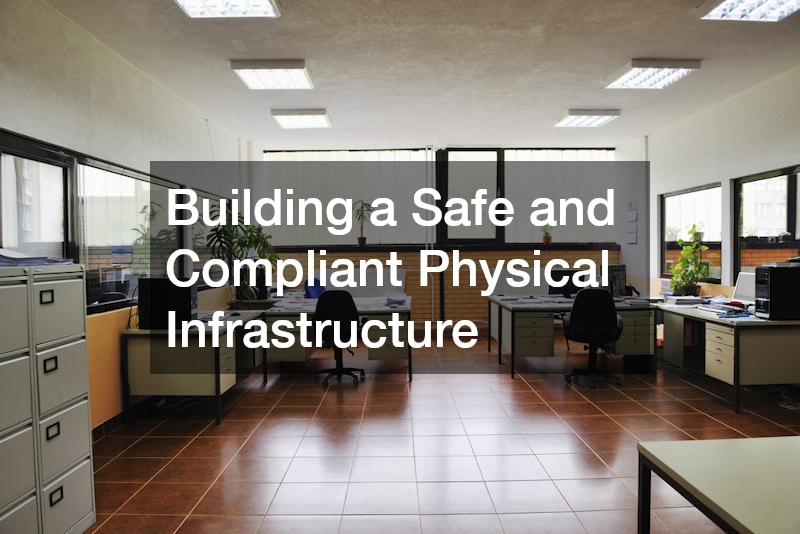
Once the physical lease is executed or property acquisition closes, focus must pivot immediately toward assessing safety and compliance. Every commercial property carries specific regulatory burdens governed by occupancy codes, local building departments, and municipal fire marshals. Skimping on initial safety evaluations can lead to costly operational pauses, heavy municipal fines, or mandatory retrofits late in the project timeline when capital reserves are tight.
Before moving inventory, setting up displays, or installing custom furniture, business managers should conduct exhaustive walkthroughs alongside licensed building trades. Emergency exits, fire suppression hardware, plumbing lines, ventilation systems, and structural walls require thorough review. Any custom construction work completed during interior buildouts must align fully with federal accessibility guidelines and municipal building codes to ensure safe, easy access for all visitors.
Electrical infrastructure demands targeted inspection early in the overall renovation process. Modern commercial operations rely heavily on energy-dense hardware, high-capacity lighting setups, computer networks, and heavy climate systems. Contracting a certified electrical contractor ensures that building electrical panels, main wiring lines, sub-panels, and dedicated outlets can comfortably handle maximum operating loads without tripping breakers. These skilled professionals also install vital emergency lighting, illuminated signage, and surge protection equipment necessary to safeguard expensive operational gear and protect building occupants during unexpected power disruptions.
Addressing potential safety issues early keeps grand opening schedules intact. It provides total peace of mind, knowing that employees and clients will enter a secure, fully certified building environment. Maintaining clear records of building permits, inspection reports, and trade certifications establishes an audit trail that protects the enterprise for years to come. Regular electrical audits help prevent costly power interruptions once commercial operations begin.
Designing an Unforgettable Storefront Exterior

A commercial building exterior functions as a constant, highly visible billboard for the brand. Long before visitors experience customer service or review products inside, they formulate a strong opinion based entirely on exterior presentation. A clean, bright, well-lit facade conveys professionalism and operational reliability. On the other hand, an unmaintained or dark exterior can easily alienate prospective clients before they ever step through the front entrance.
External signage serves as a principal driver of neighborhood visibility and long-term brand recognition. Selecting optimal signage involves balancing municipal building codes with established corporate branding guidelines. Partnering with a reliable business sign company helps owners select weather-resistant materials, dimensional channel lettering, or projecting signs that satisfy local sign ordinances while maximizing street visibility. Professional installation guarantees that external sign structures are securely fastened against high winds and electrical systems are safely tied into building power lines.
Beyond exterior signage, the condition of building surfaces dictates visual appeal. Exposure to harsh weather, direct sunlight, rain, and ambient dirt causes exterior walls to look faded or weathered over time. Investing in specialized commercial painting refreshes exterior masonry, brightens structural trim, and shields underlying building materials against long-term moisture infiltration. Qualified commercial painters use durable, exterior-grade coatings that withstand daily environmental stress while maintaining bright, consistent color over long operational stretches.
An updated building exterior tells the surrounding community that a professional, active enterprise is ready to serve them. Committing resources to exterior presentation establishes instant market authority and generates strong local interest well ahead of the official launch. Investing in quality exterior finishes ensures the facility maintains visual appeal through changing seasons.
Enhancing Grounds and Exterior Surface Conditions
The grounds surrounding a commercial property contribute directly to customer comfort and physical safety. Parking lots, pedestrian sidewalks, loading docks, and exterior ramps are primary physical contact points for incoming visitors. If customers face difficult parking situations, poor lighting, or hazardous walking surfaces, their opinion of the enterprise drops before they ever view the interior environment.
Routine property reviews should examine pavement stability, water drainage, and directional line markings. Deep potholes, widespread asphalt cracks, uneven sidewalks, and faded parking stall boundaries create serious liability hazards while projecting an impression of poor property management. Budgeting for proactive parking lot maintenance repairs structural asphalt damage, seals surface cracks against water infiltration, and refreshes line striping across parking spaces, crosswalks, loading zones, and emergency lanes. Smooth driving surfaces and visible lane guides streamline vehicle traffic while reducing property liability risks.
In addition to ground maintenance, exterior building walls require ongoing monitoring and care. Spontaneous property defacement, unwanted wall marking, or paint damage can occur overnight, particularly on newly updated or vacant commercial buildings. Scheduling prompt graffiti removal restores original building surfaces and demonstrates that the property is actively monitored and maintained. Specialized restoration teams utilize precise surface treatments to lift spray paint, markers, and chemical ink without causing damage to underlying stone, brick, stucco, or metal panels.
Maintaining clean exterior grounds fosters a safe, welcoming atmosphere for visitors and staff members alike. It communicates to nearby business owners and incoming patrons that leadership values high standards across every physical asset. Consistent exterior upkeep creates an inviting atmosphere that encourages repeat client visits.
Setting Up Digital Infrastructure and Operational Networks
Modern commercial operations depend on steady digital connectivity to handle routine business activities every single day. From point-of-sale registers and real-time inventory systems to digital security feeds and guest Wi-Fi networks, robust technology forms the physical backbone of modern enterprise. Delaying technical infrastructure planning until the final days before launch frequently triggers network interruptions, delayed payment processing, and severe administrative stress.
A resilient technological layout starts with evaluating specific operational demands across every department. Managers must determine bandwidth requirements, select hardware placement, and map physical cable routes across the building layout. Engaging dependable it services enables organizations to structure robust local networks, run structured cabling, configure secure router systems, and institute multi-layered cyber security controls. Specialized technical professionals also set up automated data backup workflows and secondary network failovers to keep operations online during unexpected power or internet service interruptions.
Technology planning reaches far beyond simple internet access. Digital menu boards, internal communication tools, security alarms, smart climate controls, and ambient sound systems require synchronized setup and testing. Configuring these systems weeks before launch allows staff members to run mock transactions, adjust system settings, update software packages, and resolve bugs without customer pressure.
Establishing reliable technical systems upfront prevents costly delays when processing customer sales on day one. Secure payment handling, dependable internal software, and smooth network speeds build customer confidence and help initial daily operations run smoothly. Proactive network management safeguards company operations against sudden data losses and technical outages.
Ensuring Interior Health, Hygiene, and Sanitation Standards

Preparing an interior space for public opening requires rigorous attention to environmental health and sanitation. Construction work, interior remodeling, fixture assembly, and equipment deliveries inevitably leave behind heavy dust, material particles, packaging waste, and chemical residues. Before stocking merchandise, storing food supplies, or placing office furniture, the entire facility requires thorough deep cleaning and sanitation.
Hidden pest risks present a real threat to brand reputation and regulatory compliance. Commercial spaces, particularly those that have remained empty or undergone recent construction, are vulnerable to pest intrusion. Implementing a dedicated commercial pest control service plan prior to launch ensures that potential entry points are sealed, existing pests eradicated, and ongoing preventative barriers established. Routine pest management keeps inventory safe, maintains strict health code compliance, and protects public areas from unwanted interruptions.
Following targeted pest prevention, comprehensive interior surface cleaning completes the property setup. Fine drywall dust lodges inside ceiling vents, lighting fixtures, trim lines, and floor joints, demanding specialized cleaning techniques. Partnering with a skilled local cleaning service guarantees that every floor, wall, counter, and fixture is thoroughly scrubbed, sanitized, and prepared for daily foot traffic. Professional cleaning teams utilize heavy-duty equipment and targeted sanitization methods to remove adhesive spots, deep clean carpets, scrub floor tile, and sanitize restroom facilities to high commercial standards.
A pristine interior environment protects employee health and reassures incoming guests. Entering a clean, fresh-smelling building shows customers that management takes health, safety, and operational excellence seriously. Establishing routine sanitation protocols ensures consistent cleanliness across all facility areas.
Maximizing Visual Appeal Through Glass and Interior Detailing

As opening day draws near, attention must shift toward minor visual details that collectively define the interior atmosphere. Subtle surface smudges, fingerprints, construction dust, or dull window panes can distract visitors from otherwise stunning interior design and product displays. Achieving a high-end presentation demands close inspection of every visible glass pane and surface touchpoint.
Natural light and clear views into the business space serve as valuable promotional tools for retail stores, dining venues, and professional offices. Glass storefront windows draw natural light inside while allowing passing pedestrians to preview interior products and interior atmosphere. Contracting a dedicated window cleaning service ensures that interior and exterior glass panels, entry doors, mirror displays, and glass dividers remain totally free of streaks, residue, smudges, and water marks. Clean glass maximizes natural illumination, making commercial spaces appear bright, spacious, clean, and thoroughly modern.
Alongside crystal-clear window surfaces, final interior detailing requires careful oversight. Display shelving should be wiped down, product labels turned forward, decorative lighting adjusted, and waste receptacles emptied. Hard floors require final polishing, mopping, or vacuuming to erase footprints left behind during equipment setup.
These final detailing procedures turn a recently renovated facility into a welcoming commercial space. When every physical element appears polished and organized, visitors enter an environment that naturally inspires confidence in the enterprise. Maintaining spotless window glass highlights the overall quality of services offered.
Executing Pre-Launch Operations and Team Training
With legal, physical, and technical preparations wrapped up, focus shifts directly to operational readiness and staff development. Employees represent the face of the business, and their confidence on opening day directly shapes initial customer experience and long-term customer loyalty.
Conducting structured staff training sessions ensures that team members master essential procedures before serving real customers. Training programs should cover point-of-sale workflows, customer service expectations, safety rules, emergency protocols, and opening or closing routines. Running interactive role-playing exercises allows employees to practice completing transactions, handling customer inquiries, managing returns, and resolving issues in a controlled, supportive environment.
To evaluate operational workflows under actual working conditions, business owners often host a soft launch. Inviting friends, family members, local business owners, or select loyalty members offers a stress-free operational trial run. Soft openings expose bottlenecks in food prep or order processing, test payment network reliability, evaluate team coordination, and gather useful feedback. Minor operational issues can be corrected behind closed doors before opening to the broader community.
Simultaneously, marketing efforts should reach maximum intensity during the immediate pre-launch window. Engaging local news outlets, running targeted online campaigns, mailing local announcements, and posting updates across community groups creates local anticipation. Organizing an official ribbon-cutting ceremony in conjunction with local business associations adds professional standing and helps draw press coverage.
Opening a commercial facility requires systematic management across legal contracts, physical construction, digital infrastructure, environmental hygiene, and human resources. By following a thorough launch checklist and partnering with dependable commercial contractors, business owners can navigate preparation complexities smoothly. This disciplined approach builds a strong foundation for long-term commercial success in a new physical location. Ongoing operational refinement positions the business for sustainable long-term growth.