

Opening a new commercial location requires careful strategy, steady capital reserves, and clear coordination across multiple trade disciplines. Before breaking ground or removing existing structural walls, business leaders must define operational goals and address regulatory rules. Every municipality maintains strict building codes, zoning restrictions, and safety standards that dictate how a physical space can be utilized. Navigating these mandates early prevents expensive project halts, municipal fines, and mandatory structural modifications later in the construction process. Municipal ordinances govern everything from occupancy limits and zoning variances to emergency egress routes, environmental compliance, and specialized waste management protocols.
A thorough understanding of commercial compliance and lease contracts is essential during the initial negotiation phase. Partnering with a legal professional skilled in business law helps owners avoid costly disputes with property landlords, construction firms, equipment suppliers, and local municipal inspectors. Legal experts ensure that lease agreements contain fair tenant improvement allowances, clear maintenance responsibilities, and reasonable restoration clauses upon lease termination. Resolving these legal framework details before signing leases or submitting building plans protects capital reserves and provides a secure foundation for the entire physical buildout.
Hiring Core Construction Teams and Managing Timelines
Once initial permitting and lease agreements are finalized, securing qualified project leadership becomes the top operational priority. A successful commercial buildout relies heavily on structured communication between property owners, interior designers, architects, and trade specialists. Partnering with a reliable commercial contractor ensures that structural modifications, material deliveries, and physical construction timelines stay on track throughout every phase of development. This primary builder manages sub-contractors, coordinates job site safety, secures necessary trade permits, and verifies that all framing, drywall, and structural additions align with approved engineering blueprints.
Effective project management requires active oversight and continuous communication among all stakeholders. Setting up standing weekly progress meetings with the construction management team keeps project expenses predictable and prevents minor technical misunderstandings from ballooning into long delays. Comprehensive scheduling tools allow project managers to track key milestones, such as wall inspections, electrical approvals, and finish material deliveries. When unexpected structural surprises occur behind old drywall or above ceiling tiles, an experienced builder quickly adapts plans to keep the project moving forward safely, efficiently, and within the allocated budget.
Infrastructure Planning and Heavy Mechanical Systems

Behind every attractive retail showroom, medical facility, or corporate office sits a complex network of unseen mechanical systems. Upgrading water lines, electrical power distribution boxes, and ventilation ducts must happen long before cosmetic finishes or interior fixtures are installed. Commercial sites frequently require heavy utility infrastructure to manage high volume public usage, specialized waste disposal, or grease traps for commercial food kitchens. Working alongside a qualified commercial plumber guarantees that water supply routing, fixture placements, and main drainage systems fully comply with local public health regulations. Proper rough-in mechanical work prevents structural water damage and unexpected back-ups that could disrupt business operations after launch.
In addition to water infrastructure, modern business spaces require high-capacity electrical distribution and efficient climate control systems. Adequate electrical panels support heavy machinery, specialized display lighting, digital signage, and computer networks without overloading circuit breakers. Meanwhile, properly sized ventilation systems keep indoor air clean, dry, and comfortable for both employees and visiting clients. Coordinating mechanical trades early allows workers to route wiring, ductwork, and heavy piping inside open wall frames before drywall is hung. This methodical sequence keeps interior walls clean, avoids expensive retrofitting work, and establishes a solid operational core that supports long-term business growth without structural disruptions.
Surface Refinishing and High-Traffic Flooring Care
Flooring endures more daily wear and tear than almost any other physical surface in a commercial establishment. Continuous foot traffic, rolling inventory carts, heavy equipment, and accidental chemical spills can dull, scratch, or erode original floor materials over time. Rather than bearing the massive expense of tearing out and replacing existing concrete, terrazzo, or hardwood flooring, many facility managers choose to restore their current surfaces. Engaging an expert team for commercial floor restoration revives worn concrete or tile, removes stubborn industrial stains, and applies durable protective sealants designed to handle constant daily foot traffic. This restoration approach saves substantial capital while elevating the interior appearance to a high professional standard.
Selecting the appropriate flooring treatment depends directly on the specific business model and daily operational demands. Retail display rooms benefit greatly from high-gloss polished concrete that reflects overhead lighting, whereas heavy storage warehouses require impact-resistant epoxy coatings. Proper surface treatment also improves workplace safety by reducing slip hazards and creating non-porous barriers against moisture buildup. Maintenance schedules should be established as soon as the initial restoration work is completed. Routine daily sweeping combined with periodic professional polishing preserves floor integrity and keeps interior spaces looking pristine for visiting clients over many operating years.
Fortifying Storefront Architecture and Access Systems
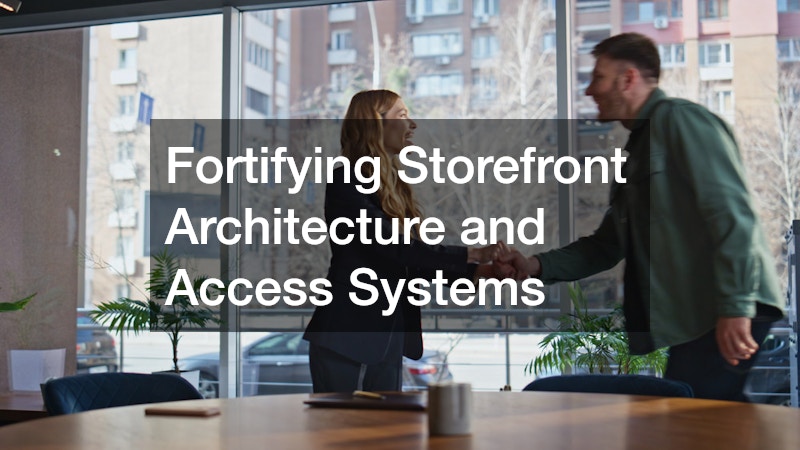
The physical entryway of a facility creates the initial impression for arriving customers, business partners, and job applicants. Entrances must look clean and welcoming while meeting strict accessibility standards and physical security demands. Commercial door frames, automatic locks, panic bars, and heavy glass panels suffer constant movement and direct exposure to exterior weather conditions. Scheduling an immediate storefront door repair resolves misaligned hinges, fixes sticking locking mechanisms, replaces worn weather stripping, and ensures automatic entrance systems operate smoothly. Proper entrance operation satisfies mandatory building access codes while providing a smooth entry experience for every guest walking through the door.
In addition to physical accessibility, entrance security plays an essential role in safeguarding business assets. High-quality door hardware deters unauthorized entry, protects valuable inventory, and reduces insurance liability risks for property owners. Ensuring that all exterior doors seal tightly against drafts also improves building energy efficiency, preventing heat loss during winter and keeping conditioned air inside during summer months. Maintaining functional, attractive entrance doors demonstrates a strong commitment to detail, building immediate trust with visitors before they even step into the reception lobby.
Restoring Glass Facades and Maintaining Exterior Illumination
Clear windows and spotless glass walls enhance curb appeal and allow natural sunlight to illuminate indoor product displays. Construction dust, paint splatters, chemical residue, and finger marks can quickly obscure brand-new windows during an intensive buildout project. Retaining professional window cleaning services ensures every exterior pane, transom window, and internal glass partition remains completely free of streaks and grime. Clean glass framed by well-maintained entry doors showcases the interior layout attractively, catching the eye of passing foot and vehicular traffic throughout the business day.
Maintaining pristine glass requires a structured ongoing maintenance program rather than a single post-construction wash. Environmental pollutants, rain spots, dust, and pollen accumulate quickly on exterior glass, dimming natural indoor lighting and making facilities appear neglected. Scheduling recurring professional glass washing preserves the structural seals around window frames, prevents mineral etching on glass panes, and maintains strong visual appeal throughout the operating year. Bright, crystal-clear windows create an open, energetic atmosphere that welcomes customers inside and highlights interior retail displays effectively.
Exterior Signage, Branding, and Architectural Shades

Visual branding guides potential customers directly to a new enterprise location. Exterior signage and architectural elements must convey corporate identity clearly while enduring harsh seasonal weather. Installing a prominent business sign establishes a firm physical presence in the local community and makes the building easy to spot from nearby roads. Choosing high-grade materials, clear lettering, and energy-efficient illumination ensures optimal visibility during both day and night hours. Municipal rules typically regulate sign dimensions, placement heights, setback distances, and lighting brightness, so formal permits must be obtained well before installation day arrives.
Adding functional architectural features over entryways and windows further improves the building elevation. Erecting sturdy commercial awnings offers effective shelter from rain and harsh sunlight for entering visitors while giving the facade a polished look. These structural coverings reduce direct solar heat gain through exterior glass, helping lower internal cooling costs during hot summer months. In addition, exterior shade structures provide secondary visual branding space for printed logos and company colors. When paired with high-impact main signage, well-maintained exterior awnings create an inviting entrance that catches street traffic and protects property assets.
Managing Exterior Grounds and Site Infrastructure
A smooth, well-organized parking area sets a positive tone before a guest even steps inside the building. Deep cracks, potholes, uneven pavement, and faded lane markings compromise driver safety and create a negative visual impression. Hiring a reliable parking lot paving service restores damaged asphalt surfaces, fills structural cracks, grades base layers, and applies heavy sealcoating to guard against vehicle oil spills and weather erosion. Fresh asphalt provides a smooth driving surface, eliminates tripping risks, and extends the operational life of the entire parking facility. Proper surface grading must also be verified during construction to prevent standing water accumulation during heavy rainstorms.
Once the asphalt surface is fully cured, crisp striping defines organized traffic channels and parking bays. Highly visible directional arrows, marked pedestrian walkways, and clearly designated accessible spaces ensure visitor safety while meeting federal accessibility mandates. Adequate outdoor lighting standards should also be placed around parking borders to improve nighttime safety and deter property crime. Maintaining clean, well-lit parking grounds reduces financial liability, protects customer vehicles, and gives arriving visitors immediate confidence in the management and quality of the enterprise.
Custom Interior Branding and Specialty Printing Assets

Interior decor must reflect corporate identity and create an engaging environment for incoming clients. Custom wall wraps, branded employee apparel, directional signage, and decorative banners tie the interior space together smoothly. Utilizing modern sublimation printing techniques yields vivid, high-resolution color transfers on fabrics, metal plates, and rigid polymer panels. This specialized printing process bonds dyes directly into the material structure, preventing peeling, chipping, or fading under bright store lights. Custom printed interior features reinforce brand messaging while guiding visitors smoothly through customer service counters and display zones.
Maintaining visual consistency across all printed materials builds consumer trust and projects professional quality. From reception desk signage to promotional trade banners, high-quality graphics present a cohesive brand message across every client touchpoint. Ordering customized promotional products, staff apparel, and decorative wall art well in advance guarantees everything is installed before the official opening date. Managers should evaluate physical print proofs under actual store lighting to confirm color accuracy and visual balance. Thoughtful interior branding completes the physical transformation from a raw work zone into a vibrant commercial destination.
Final Inspections, Walkthroughs, and Grand Opening Launch
As the grand opening date approaches, project management shifts focus from heavy construction work to detailed finishing tasks. The facility owner, general contractor, and property manager must conduct a meticulous walkthrough to generate a final punch list. This detailed checklist identifies minor paint touch-ups, loose cabinet hardware, unsealed trim, or minor hardware adjustments that must be resolved prior to public opening. Scheduling official municipal safety inspections ensures that fire alarms, occupancy limits, emergency exits, and sanitary installations receive complete regulatory clearance.
With final permits secured and punch list repairs finished, operational focus turns toward launch day execution. Staff members should undergo complete training on point-of-sale systems, building security protocols, emergency procedures, and customer service workflows. Professional cleaning crews should perform a comprehensive final sweep across all interior zones, eliminating remaining construction dust and shipping materials. Organizing inventory neatly on display shelves, testing sound systems, and setting up office workstations ensure launch day runs smoothly. A disciplined finish transforms the newly built space into a fully functional commercial property ready for customers.
Long-Term Facility Care and Preventative Operations
Completing the grand opening marks the start of regular commercial operations, but long-term success relies on consistent facility care. Property managers should implement proactive maintenance schedules for mechanical systems, exterior facades, and high-traffic interior zones immediately after opening day. Establishing ongoing inspection routines catches minor wear before it causes operational downtime or safety issues. Regularly evaluating building performance keeps energy costs low, preserves physical assets, and maintains a clean, welcoming environment for clients.
Documenting all service contracts, equipment warranties, and structural repairs creates an organized facility logbook for future reference. Building strong relationships with reliable trade vendors ensures fast response times during unforeseen emergencies or seasonal upgrades. Investing in continuous facility care protects capital equity and reinforces brand reputation. A well-maintained commercial space communicates stability and quality, providing a safe and inviting space that supports sustained business growth for years to come.