Building a company often starts with a great idea, a solid business plan, and a lot of excitement about the product or service itself. What many first-time founders don’t fully grasp is how much of their success will hinge on physical infrastructure, equipment, and space that has nothing to do with their core offering. From the building they operate in to the systems that keep it running, these physical realities can quietly drain budgets and derail timelines. Understanding these hidden demands early can save founders from costly surprises down the road.
Evaluating the Building Before You Sign a Lease
Before signing any lease or purchase agreement, founders should insist on a thorough condition assessment of the property they are considering. This evaluation looks at the structural integrity, electrical systems, plumbing, and roofing to identify problems that might not be visible during a quick walkthrough. A qualified inspector can also flag issues like outdated HVAC systems, inadequate electrical capacity for commercial equipment, or drainage problems that only show up during heavy rain. The cost of a professional condition assessment typically runs a few hundred to a couple thousand dollars depending on the size and complexity of the building, but that expense is trivial compared to what founders face if they discover a failing roof or knob-and-tube wiring after move-in. A retail buildout that gets delayed by six weeks because of an unpermitted electrical panel can cost far more in lost revenue and rent paid on an unusable space than the inspection would have. Founders should also ask specifically about compliance with local building codes and ADA accessibility requirements, since older buildings are often grandfathered in until a new tenant triggers a required upgrade. Skipping this step is one of the most common mistakes new business owners make, often because they are eager to move in and start operating. Building in two to three weeks for inspections and negotiations before signing anything can save months of costly surprises later.
A proper assessment can reveal issues that would otherwise surface months later as expensive emergencies. A qualified inspector or commercial contractor will check the age and condition of the HVAC system, the state of the roof, electrical capacity, plumbing, and any signs of water intrusion or structural settling. Most of these problems are invisible during a quick walkthrough but obvious to someone who knows what to look for. Founders who invest in this upfront often negotiate better lease terms or purchase prices because they can point to documented deficiencies. A report noting a roof with five years of useful life left, or an electrical panel that can’t support commercial kitchen equipment, becomes leverage at the negotiating table. Landlords are frequently willing to credit repairs, adjust rent, or extend a free-rent period rather than lose a signed tenant over a $3,000-$5,000 inspection report. This due diligence step is inexpensive compared to the cost of discovering a failing HVAC system or compromised foundation after move-in. A commercial inspection typically runs a few hundred to a couple thousand dollars depending on the building’s size, yet a single HVAC replacement can cost $10,000-$30,000, and foundation repairs can run well into six figures. Spending a small amount upfront to avoid a five- or six-figure surprise is one of the easiest risk-reduction decisions a founder will ever make.
Keeping Water Systems Running Smoothly
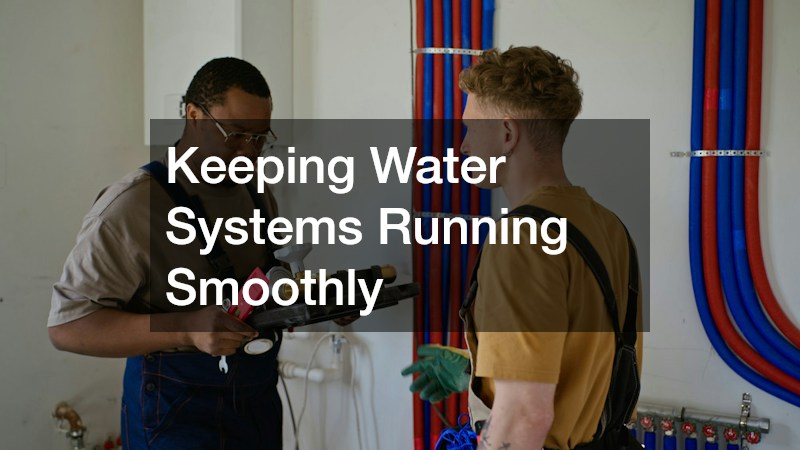
Many founders assume that plumbing is a landlord’s problem or a minor line item, but water issues can shut down operations faster than almost any other physical failure. A single burst pipe or clogged drain can halt production, damage inventory, or force an unexpected closure. Restaurants can lose an entire day of revenue waiting on a repair, while offices may need to send staff home if bathrooms or kitchens become unusable. The financial stakes go beyond the repair bill itself. Water damage to flooring, equipment, or stored goods often costs far more than the plumbing fix, and insurance claims can take weeks to resolve while the business remains disrupted. Even a slow leak left unaddressed can lead to mold issues, which bring their own remediation costs and potential health code violations. Having a reliable plumber on call before a crisis hits is far smarter than scrambling to find one during an emergency. Founders should know their building’s shutoff valve locations, keep a vetted plumber’s contact information posted where staff can find it, and schedule periodic inspections of water heaters, pipes, and drainage systems rather than waiting for something to fail. A basic maintenance contract, even a modest one, is often cheaper than a single emergency service call at 2 a.m.
Water quality also matters more than most founders realize, especially for businesses in food service, manufacturing, or healthcare. Hard water and sediment can silently degrade boilers, espresso machines, autoclaves, and industrial cooling systems long before anyone notices a problem, turning what should be a routine expense into an emergency equipment replacement. Installing water filtration systems early can prevent this kind of corrosion, improve product consistency, and protect employee health. The right setup depends heavily on the industry. A restaurant might only need a point-of-use filter on its ice machine and beverage lines, while a manufacturing plant may require whole-building reverse osmosis or softening systems to protect machinery running around the clock. Healthcare facilities often face stricter regulatory standards, requiring documented water testing schedules and certified filtration equipment to stay compliant. These systems aren’t a one-time install-and-forget purchase. Filters typically need replacing every one to six months depending on usage and local water conditions, and softeners require periodic salt refills or resin recharges. Founders should build these recurring costs into their operating budget from day one, rather than discovering them as surprise line items once equipment starts failing or output quality starts slipping.
Protecting the Roof and What Lies Beneath It

Roofing problems tend to be invisible until they become catastrophic, which is exactly why so many founders underestimate them. Leaks can damage inventory, ruin electrical systems, and create mold issues that take months to resolve. Scheduling regular inspections with experienced roofers helps catch small issues, like minor flashing damage or worn seals, before they become six-figure repair projects.
- Ask for a full roof history from the previous owner or landlord
- Schedule inspections twice a year, especially before winter and after storm season
- Keep records of every repair to spot recurring problem areas
- Budget for eventual full replacement rather than assuming repairs will last forever
Managing Climate Control for Employees and Equipment
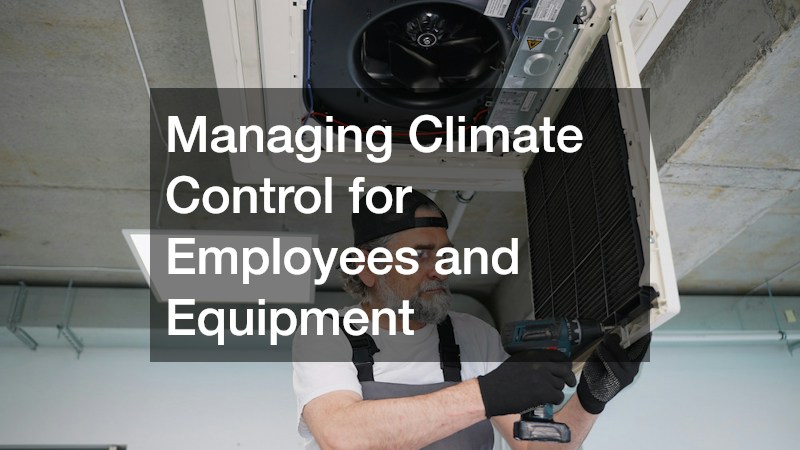
Temperature control is not just a comfort issue; it directly affects employee productivity and the lifespan of sensitive equipment. Founders who run manufacturing floors, server rooms, or retail spaces often discover too late that their HVAC system was undersized for the space or the equipment load. Prompt AC repair during peak summer months can mean the difference between a minor inconvenience and a full day of lost productivity.
Preventive maintenance contracts are usually far cheaper than emergency service calls, yet many new founders skip them to save money in the early days. A well-maintained system also uses less energy, which lowers monthly utility costs over time. Building a relationship with a trusted HVAC contractor before problems arise gives founders priority scheduling when emergencies do happen.
Handling Waste and Debris During Growth Phases
Expansion, renovation, and even routine operations generate more waste than most founders anticipate. Whether clearing out an old space or managing daily production scraps, arranging a dumpster rental in advance keeps job sites and warehouses safe and compliant with local regulations. Without a plan for waste removal, debris can pile up quickly, creating safety hazards and slowing down operations.
Founders should also think about how waste management scales with growth. A company that starts with occasional pickups may need weekly or even daily service within a year or two. Planning for this scalability early prevents last-minute scrambling when volume increases faster than expected.
Choosing the Right Structure for Storage and Operations
Not every business needs a traditional building, and many founders overlook more flexible options that can save significant money. Conventional construction often means months of permitting, foundation work, and framing before a facility is usable, while fabric-covered alternatives can be up and running in a fraction of that time. Coverall buildings offer a fast, affordable way to create storage or operational space without the long timelines associated with conventional construction. These fabric-covered steel structures are particularly popular among agricultural, industrial, and logistics companies that need large clear-span areas quickly, since there are no interior columns to obstruct equipment, vehicles, or stacked inventory. Costs typically run well below traditional steel or masonry buildings on a per-square-foot basis, and many can be installed in weeks rather than months. They’re also relatively easy to expand, relocate, or reconfigure as a business scales, which matters for founders who aren’t yet sure how much space they’ll need two or three years down the road. Before committing, founders should weigh factors like local climate, snow load requirements, permitting rules, and how long they expect to occupy a given site. A structure that makes sense as a five-year stopgap may not be the right call for a permanent headquarters, so matching the building type to the actual operational timeline is worth the extra planning upfront.
When founders finally accept that they need physical space, the next mistake is defaulting to whatever structure looks cheapest on paper. The right choice depends on use case: a metal building might suit inventory storage, while a pre-engineered steel frame with insulation makes more sense for a workshop where people are actually working for hours at a time. Matching the structure to how it will actually be used prevents costly retrofits down the line. These structures also offer flexibility that traditional buildings cannot match, since they can often be relocated or expanded as business needs change. Modular and prefabricated options in particular let founders start small — say, a 1,000-square-foot unit — and add bays or sections later as order volume or headcount grows, rather than overbuilding upfront and paying to heat and maintain space they don’t yet need. Founders should still budget for site preparation, foundations, and utility connections, which are sometimes underestimated in the excitement of a lower sticker price. A gravel pad might run a few thousand dollars, while a poured concrete foundation with proper drainage can add tens of thousands depending on soil conditions and local permitting requirements. Electrical service, water lines, and HVAC hookups often get quoted separately from the building itself, and founders are frequently surprised to learn these “invisible” costs can equal or exceed the price of the structure. Getting a realistic total cost estimate before committing avoids budget overruns later. That means asking vendors for an all-in quote that includes permitting fees, delivery and installation, and any code-required upgrades like fire suppression or accessibility ramps, rather than comparing base prices alone.
Building Durable Floors and Decking Systems
Flooring and decking choices affect safety, load capacity, and long-term maintenance costs in ways that founders rarely consider before construction begins. Composite metal decking has become popular in commercial construction because it combines strength with faster installation times compared to traditional materials. This can be especially valuable for founders working with contractors on tight timelines who need to open their doors as quickly as possible.
Choosing the right decking material also affects future flexibility, since some systems accommodate electrical and mechanical routing more easily than others. Founders should discuss load requirements honestly with their contractor, factoring in current equipment as well as anticipated future needs. Underestimating load capacity early often means expensive retrofits later when equipment or inventory needs change.
Sourcing Specialized Equipment for Niche Industries
Founders entering specialized manufacturing sectors often discover that sourcing equipment takes far longer and costs more than anticipated. A company entering snow plow blade manufacturing, for example, needs specific tooling, metal fabrication capabilities, and quality control processes that differ significantly from general metalworking. These specialized requirements can add months to a launch timeline if not planned for well in advance.
Lead times for custom or specialized machinery can stretch to six months or longer, particularly for niche manufacturing sectors with few suppliers. Founders should start conversations with equipment vendors as early as possible, even before securing final funding, to understand realistic timelines. This proactive approach prevents the common mistake of assuming equipment can be sourced as quickly as office supplies or standard inventory.
Presenting the Brand at Industry Events and Trade Shows
Marketing has a physical dimension too, one that founders frequently underestimate when planning their first year of operations. A custom trade show booth requires significant lead time to design, fabricate, and ship, often six to ten weeks depending on complexity and demand at the manufacturer. Founders who wait until a month before a major industry event often end up with generic displays that fail to represent their brand effectively.
- Request a firm production and shipping timeline before finalizing any booth design
- Factor in storage costs between events, since booths need a home when not in use
- Plan for repair or refresh costs after a few years of regular use
- Consider modular designs that can adapt to different booth sizes at various venues
The physical side of running a business rarely gets the attention it deserves during the early planning stages, yet it consistently determines whether operations run smoothly or grind to a halt. Founders who take time to research buildings, systems, and equipment before committing money and time avoid the costly surprises that catch so many new business owners off guard. Start by making a checklist of every physical system your business depends on, then research realistic costs and timelines for each one. Taking this step now will save significant stress, money, and lost momentum later.