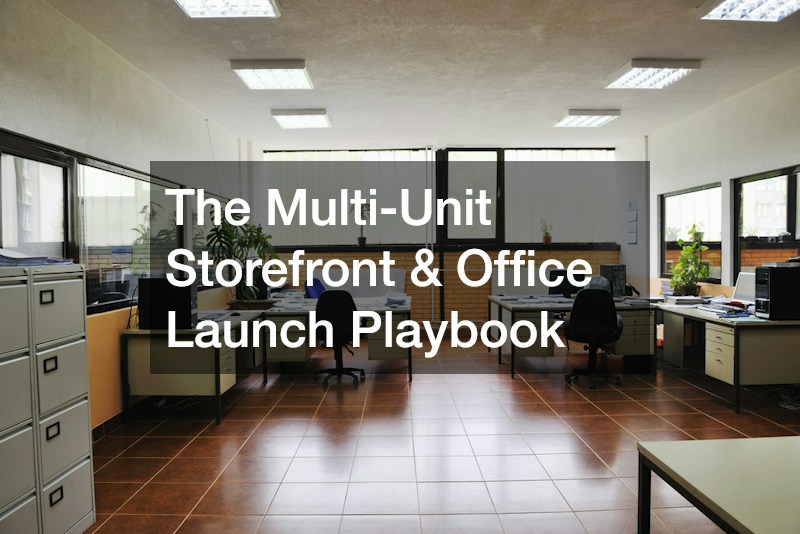
Launching a single retail location or branch office takes serious effort. When a company decides to open multiple locations at once, the complexity multiplies rapidly. Teams have to coordinate contractors, vendors, and local regulations across different cities or regions. A standardized approach becomes the only way to keep everything moving forward without missing deadlines or blowing past the budget. Companies that successfully scale do not rely on luck. They build a repeatable process that guides every phase of the expansion. This playbook breaks down the physical, operational, and promotional steps required to open new storefronts and offices smoothly. Leaders can use these strategies to manage timelines, maintain brand consistency, and create welcoming spaces for employees and customers alike. Expanding into new markets brings a lot of excitement, but it also brings a mountain of logistics. From securing the commercial lease to unlocking the front doors, every single detail matters. By breaking the workload into manageable phases, expansion teams can tackle exterior upgrades, interior design, technology installations, and community outreach without feeling overwhelmed. The goal is to build a foundation that supports long-term growth while minimizing the typical headaches associated with commercial construction and property management. A solid plan keeps everyone on the same page. When the home office, regional managers, and local staff all understand the sequence of events, grand openings happen on schedule. Let us look at the core components of a highly successful multi-unit launch strategy.
Making a Strong First Impression on the Outside

The exterior of a new location serves as the public face of the company. Before a customer ever speaks to a representative or browses a product display, they judge the business by its curb appeal. Property maintenance is a major part of this initial impression. Often, leased commercial spaces come with outdoor areas that have seen better days. Expansion teams should prioritize the parking area well before the grand opening. Potholes, faded lines, and cracked asphalt can cause safety hazards and make the property look neglected. Scheduling proper parking lot repair ensures a smooth, safe arrival for both staff and visitors. A freshly paved and striped parking area subtly communicates professionalism and attention to detail. Once the grounds are safe and clean, the focus shifts to brand visibility. People need to know who occupies the building. Standardized branding across all locations builds trust and recognition. Every new branch requires clear, highly visible identification that matches the corporate style guide. Installing a well-lit custom business sign above the main entrance helps local traffic find the location easily. Whether it is a channel letter display or a large backlit cabinet, this element acts as a silent salesperson working around the clock. Navigating local zoning laws is usually the hardest part of this step. Each municipality has different rules regarding the size, placement, and illumination of outdoor displays. Expansion managers should work closely with local officials and permitting departments early in the timeline. Delays in permitting can easily push back a grand opening by several weeks. By tackling exterior repairs and exterior branding at the very beginning of the project, companies give themselves plenty of buffer room. Once the outside looks sharp and inviting, the team can confidently move their attention to the inside of the building.
Preparing the Interior Architecture

Moving inside, the condition of the physical space requires careful evaluation. Many companies lease existing buildings rather than building from the ground up to save time and money. However, second-generation spaces usually carry the wear and tear of previous tenants. The first interior task is to address structural and cosmetic damage. Windows and glass partitions often show signs of heavy use. Scratches, chips, or foggy panes can make a store or office look cheap. Getting a local contractor to handle any necessary commercial glass repair brings back a clean, modern look. Clear windows let in natural light, which boosts employee morale and makes merchandise look better. If the storefront features large display windows, making sure they are pristine is an absolute requirement for retail operations. Flooring is another major area that needs immediate attention. High-traffic areas in retail stores or lobbies take a massive beating over the years. Completely replacing floors across multiple new units can destroy an expansion budget. Instead of tearing everything out, facility managers often look for ways to salvage existing materials. Professional commercial tile restoration can strip away years of grime, fix cracked grout, and apply fresh sealants to make old floors look brand new. This approach is highly cost-effective and creates a sanitary, polished environment for visitors. Dealing with the hard surfaces first means that the messy work is done before any sensitive equipment or delicate furnishings are brought into the building. Construction dust and harsh cleaning chemicals should be completely cleared out before the next phase begins. Taking care of windows and flooring establishes a blank canvas. The environment is finally clean, structurally sound, and ready to be customized to fit the daily needs of the staff.
Outfitting the Workspace for Productivity
With a clean interior space secured, it is time to bring in the items that make the building functional. Standardizing the layout across multiple locations helps employees feel at home, even if they transfer between different branches. It also makes ordering materials in bulk much easier for the procurement team. Selecting the right office furniture is a big decision that impacts daily comfort. Ergonomic chairs, adjustable desks, and modular meeting tables give the staff the tools they need to work effectively. Buying these pieces from a single national vendor often unlocks volume discounts and guarantees that every location maintains the exact same aesthetic. It is helpful to create standard equipment packages based on the size of the location. A small storefront might only need a reception desk and two consultation areas, while a regional hub might require dozens of workstations and a large breakroom. When everything arrives on trucks, having a clear floor plan prevents chaos. While the inside is being furnished, teams also need to think about temporary visual communication. The permanent signage might be up outside, but there is still a need for short-term messaging. Window graphics, interior posters, and temporary outdoor materials generate buzz in the neighborhood. Hanging a brightly colored banner near the street or above the entrance lets the community know that a grand opening is coming soon. This simple, affordable tool creates curiosity and starts driving foot traffic before the doors officially open. Inside, temporary signs can guide delivery crews and new employees as they navigate the unfamiliar space. Outfitting the building takes careful coordination. Deliveries have to be timed perfectly so that desks and chairs do not arrive before the floors are dry. When managed correctly, this phase transforms an empty shell into a true place of business.
Securing the Facility and Connecting the Network
A modern business cannot function without robust technology and physical security. Once the desks are in place, the IT and security contractors need to take over. Protecting inventory, sensitive data, and the employees themselves is a massive responsibility for corporate leadership. Handing out physical metal keys to dozens of staff members across multiple locations is a major security risk. Keys get lost, duplicated, or stolen entirely too often. Implementing a cloud-based access control system allows administrators to manage doors and entryways remotely. If an employee resigns, their keycard or mobile credential can be deactivated instantly from a central dashboard. This technology also provides a clear audit trail of who enters the building and at what time, which is incredibly helpful for regional managers keeping tabs on operations. Running alongside the physical security is the digital infrastructure. Cash registers, computers, phones, and security cameras all require a fast, reliable internet connection. Instead of having local managers try to figure out routers and firewalls, many expanding companies partner with external experts. Using dedicated IT managed services guarantees that the network is set up correctly and monitored securely. These professionals handle the installation of Wi-Fi access points, secure employee networks, and public guest networks. If a point-of-sale system goes offline on a busy Saturday, having a dedicated support team to call prevents lost revenue. Standardizing the tech stack across all locations means fewer headaches for the corporate office. Every branch uses the same software, the same hardware, and the same support channels. This phase is usually the most complicated part of the launch process. Wires have to be run, servers have to be tested, and software has to be updated. But once the network is stable and the building is secure, the location is fully operational.
Managing the Financial and Administrative Setup
Opening a business is not just about physical structures; it is also heavily rooted in paperwork and financial strategy. Every new location represents a significant capital investment. The corporate finance team has to track every dollar spent on renovations, equipment, and deposits. Different states and cities have entirely different tax codes, business license fees, and payroll requirements. Trying to manage this without professional guidance can lead to expensive penalties or missed opportunities for savings. Expansion teams need to involve financial professionals early in the site selection process. Working with a knowledgeable tax accountant helps the company understand the financial implications of expanding into a specific market. They can advise on how to properly depreciate the cost of new equipment and building improvements. Certain upgrades, like energy-efficient lighting or specific structural repairs, might qualify for local rebates or federal incentives. Getting the books set up correctly from day one prevents a massive headache at the end of the fiscal year. Each location needs its own profit and loss tracking so that executives can see which branches are performing well and which ones need help. Payroll taxes must be calculated based on the local municipality where the staff is working. Setting up vendor accounts for utilities, trash removal, and local supplies also falls into this administrative bucket. Creating a standardized checklist for utility transfers and license applications ensures that a store does not accidentally open without running water or the proper health permits. The financial and administrative setup might be the least glamorous part of a multi-unit launch, but it is undeniably the backbone of the entire operation. Keeping the budget tight and the paperwork compliant allows the rest of the team to focus on serving their new customers.
Building Local Awareness and Driving Traffic

With the building secure, the network humming, and the licenses on the wall, the final step is getting people through the door. A grand opening is only successful if the community actually knows about it. Traditional advertising still has its place, but modern consumer behavior requires a modern approach. A coordinated digital marketing campaign is the fastest way to reach the local neighborhood effectively. A few weeks before opening, the company should launch targeted social media ads and update local search directories with the new address and hours. When someone nearby searches for a product or service the new location offers, the business needs to show up at the top of the search engine results. Creating a localized email list, running geo-targeted promotions, and engaging with community groups online builds real anticipation. The corporate team can offer special discounts to people who sign up for updates before the opening date. This guarantees a crowd on the first day of business. Additionally, local managers should be trained to ask for online reviews from the very first group of happy customers to build immediate credibility in the local market. Connecting the online presence with the physical store completes the strategy. Companies must actively invite the community inside. Measuring the return on investment for these online campaigns helps the corporate team refine their strategy for the next location launch. Building a localized customer base takes time, but a strong start creates momentum that can carry a new branch through its critical first year of operation.
Sustaining Long-Term Expansion Success
Successfully launching multiple business units requires patience, clear communication, and an eye for detail. The moving parts are numerous, but the rewards are massive. Following a strict playbook eliminates the guesswork that plagues unorganized competitors. Every team member knows their exact responsibilities, from the executives approving budgets to the local managers unlocking the front doors. A standardized process means every new location opens smoothly. By treating each phase of the launch with equal importance, companies create sustainable growth that benefits their bottom line, their employees, and the local communities they serve. Following a framework turns commercial expansion into a routine operation.