
Owning property means eventually facing repairs you didn’t budget for, no matter how well you maintain your home or building. Roofs age, systems fail, and structures shift over time, often with little warning before something needs urgent attention. The good news is that most major repairs follow predictable patterns, which means you can plan ahead instead of scrambling when something breaks. This guide walks through the most common big-ticket repairs property owners face and how to budget realistically for each one.

Planning for Structural Foundation Issues
Foundation problems rank among the most expensive and stressful repairs a property owner can face, and they rarely appear overnight. Cracks in walls, doors that stick, or uneven floors are often the first visible clues that something is shifting beneath the surface. Because foundation repair costs can range from a few thousand dollars for minor crack sealing to tens of thousands for full underpinning, setting aside a dedicated reserve fund is smart even if your property shows no current symptoms.
Soil composition, drainage, and the age of your property all influence how likely you are to need this kind of work. Homes built on clay-heavy or expansive soil are especially prone to movement during seasonal wet and dry cycles.
- Watch for diagonal cracks near windows and doors
- Check that gutters direct water away from the foundation line
- Note any new gaps between walls and ceilings
- Budget a contingency fund of at least 1 percent of your property value annually
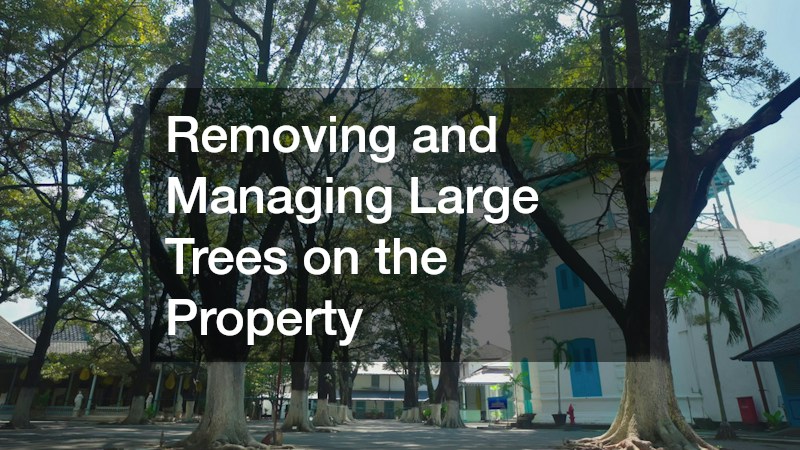
Removing and Managing Large Trees on the Property
Mature trees add value and shade to a property, but they also carry hidden risks and costs that many owners underestimate. A tree that looks healthy from a distance can have internal rot, weak root structures, or branches at risk of falling during storms. Arborists often recommend annual inspections for trees over 30 feet tall, since early detection of decay or pest infestation can prevent a costly emergency removal later.
Cost is where budgets get blindsided. Removing a large, healthy tree typically runs $500 to $2,000, but that figure can climb past $3,000 if the tree is diseased, leaning toward a structure, or tangled in power lines. Stump grinding, hauling debris, and restoring the surrounding lawn or hardscape are usually billed separately and can add several hundred dollars more. Because of these safety concerns, many municipalities require permits before removal, particularly for trees above a certain diameter or those classified as protected species.
Skipping this step can result in fines that far exceed the cost of the permit itself. The job also often needs specialized equipment—cranes, bucket trucks, or stump grinders—that most property owners simply don’t own, making professional removal the safer and often more economical choice. Beyond removal, ongoing tree management deserves its own line item in a maintenance budget. Routine pruning, cabling for structurally weak limbs, and root management near foundations or sewer lines all help avoid larger repair bills down the road. Setting aside a modest annual allowance for tree care can prevent a single storm from turning into a five-figure emergency.
Getting quotes from tree removal companies before a tree becomes an emergency can save significant money. A standard removal for a mature tree typically runs $400 to $1,200 depending on size, location, and accessibility, while emergency removal after storm damage can easily double or triple that cost since crews charge premium rates for urgent, hazardous work performed after hours or in dangerous conditions.
Property owners should schedule a professional arborist inspection every two to three years to catch warning signs early, such as leaning trunks, dead branches, root damage, or fungal growth at the base. Identifying a compromised tree before it falls onto a roof, fence, or power line allows for a planned removal instead of a frantic call during a storm. It’s also worth budgeting separately for stump grinding and debris hauling, since many quotes only cover the removal itself and treat these as add-on services.
Getting at least three quotes from different tree removal companies is smart practice, since prices can vary widely based on crew size, equipment needed, and whether cranes or bucket trucks are required for tight spaces. Finally, consider setting aside a small annual reserve specifically for tree-related maintenance, including pruning and health treatments, since a well-maintained tree is far less likely to become a costly emergency later.
- Get at least two or three quotes, since tree removal costs vary widely — expect roughly $200-$800 for small trees and $1,000-$3,000+ for large or hazardous ones
- Ask whether stump grinding is included in the price, or if it’s billed separately by stump diameter (often $2-$5 per inch)
- Confirm the company carries liability insurance and workers’ comp, and ask for a certificate of insurance before work begins
- Check that the crew is certified (ISA Certified Arborist is a good sign) and ask how they’ll handle nearby structures, fences, or power lines
- Schedule removal in off-peak seasons like late winter for better rates and faster availability
- Budget separately for debris hauling and wood disposal if you don’t want the logs left on-site
Replacing an Aging Water Heater
Most water heaters last between eight and twelve years, and the signs of failure are usually gradual rather than sudden. Rusty water, strange noises from the tank, or inconsistent temperatures are all warning signs worth taking seriously. Waiting too long can lead to a burst tank, which causes water damage far more costly than the appliance itself.
Water heater replacement costs vary depending on tank size, fuel type, and whether you’re upgrading to a tankless model. Setting aside funds proactively once your unit passes the eight-year mark means you won’t be caught paying rush fees for emergency installation during a cold snap.
- Standard tank units typically cost less upfront than tankless systems
- Tankless models last longer but require more complex installation
- Annual flushing extends the life of any water heater
- Replace before total failure to avoid emergency plumbing rates
Tearing Down Structures That Have Outlived Their Use
Not every repair is about fixing something; sometimes the smarter financial move is removing a structure entirely. Old sheds, unsafe additions, or fire-damaged sections of a property often cost more to repair than they’re worth keeping. Hiring demolition contractors to handle this work safely protects you from liability issues tied to asbestos, structural collapse, or improper debris disposal.
Costs for demolition work depend heavily on the size of the structure and what needs to be done with the debris afterward. Getting a written estimate that includes hauling and disposal fees prevents surprise charges once the job is underway.
- Ask if the quote includes permit fees
- Confirm how debris will be sorted and disposed of
- Request confirmation of insurance coverage
- Get a timeline in writing before work begins
Keeping Garage Doors and Openers Functional
A malfunctioning garage door is more than an inconvenience; it’s often a security risk and a sign of bigger mechanical issues. Springs, cables, and openers wear down with regular use, and most of these components have a predictable lifespan. Routine garage door service can catch worn parts before they snap or jam, which is far cheaper than replacing an entire door system.
Many property owners overlook this system until it fails completely, often at the worst possible time. Building a small annual maintenance budget for inspection and lubrication is far more affordable than emergency repair calls, which often come with after-hours surcharges.
- Inspect springs and cables at least once a year
- Test the auto-reverse safety feature regularly
- Lubricate rollers and hinges every few months
- Replace batteries in remote openers proactively
Installing or Repairing Property Boundary Fencing
Fencing serves both practical and aesthetic purposes, marking property lines while adding privacy and security. Wood, vinyl, and metal options all have different lifespans and maintenance needs, which should factor into your long-term budgeting. Wood fencing typically lasts 15-20 years but requires periodic staining or sealing to resist rot and warping, while vinyl can last 20-30 years with minimal upkeep beyond occasional cleaning.
Metal options like aluminum or wrought iron offer excellent durability, often exceeding 25 years, but may need rust treatment or repainting depending on climate. Repair costs also vary widely depending on the damage and material involved. A single replacement panel might run $150 to $400, while a storm-damaged section spanning multiple posts could climb into the thousands. Budgeting for occasional post replacement is especially important, since posts bear the structural load and often fail before the fencing material itself does.
Reputable fence companies can help you weigh upfront cost against durability, since a cheaper installation today sometimes means more frequent repairs later. They can also advise on local factors like soil conditions, frost lines, and wind exposure that affect how long a fence will realistically hold up. Getting a few quotes and asking about warranty coverage on materials and labor can help you avoid unpleasant surprises down the road.
For properties needing a more industrial or high-security boundary, chain link fence installation remains one of the most budget-friendly options available. Costs typically run between $8 and $20 per linear foot installed, depending on gauge, height, and whether you choose galvanized or vinyl-coated material. This makes it significantly cheaper upfront than wood or ornamental metal fencing, especially across large perimeters.
It requires less maintenance than wood and holds up well against weather extremes, making it a practical choice for larger lots or commercial properties. There’s no painting, staining, or rot to worry about, so ongoing repair budgets stay lean over the fence’s lifespan. When budgeting for repairs, factor in occasional issues like bent posts from vehicle impact, sagging sections from ground shifting, or damaged mesh that needs patching. Setting aside a small annual reserve, even a few hundred dollars for a mid-sized commercial property, can cover these minor fixes before they compound into a full-section replacement.
- Wood fencing typically needs restaining every two to three years, budgeting $2-$4 per linear foot each time
- Vinyl resists rot and pests but can crack in extreme cold, so factor in occasional panel replacement in harsher climates
- Metal fencing (chain-link or wrought iron) offers strong security with minimal upkeep, though wrought iron needs rust treatment every few years
- Factor in gate hardware separately, since hinges and latches wear out faster than the fencing itself
- Get quotes based on linear footage, not just total project cost, so you can compare bids accurately
- Ask whether quotes include post-hole digging and old fence removal, as these add significant labor costs
Maintaining Commercial Kitchen Drainage Systems
For property owners running restaurants or food service operations, plumbing maintenance goes beyond typical household concerns. Grease trap cleaning is a legally required and often overlooked expense that protects both your plumbing system and local water infrastructure. Skipping regular service can lead to backups, foul odors, and steep fines from local health departments.
Most commercial kitchens need this service performed every one to three months depending on volume and cooking style. Building this into a recurring maintenance budget, rather than treating it as an occasional expense, keeps kitchens compliant and prevents far costlier plumbing emergencies down the line.
- High-volume kitchens may need cleaning monthly
- Check local regulations for required service frequency
- Keep service records in case of health inspections
- Watch for slow drains as an early warning sign

Servicing Refrigeration Units in Commercial Spaces
Restaurants, grocery stores, and other food-based businesses depend heavily on reliable refrigeration, and few repairs are as urgent as a failing cooling unit. Walk in cooler repair often needs to happen fast, since spoiled inventory can cost far more than the repair itself — a single lost shipment of perishables can easily run into the thousands of dollars, not counting the health code violations that come with serving unsafe food.
That kind of financial exposure is exactly why refrigeration should have its own dedicated line in a repair budget rather than being lumped in with general equipment maintenance. Common issues include failing compressors, door seal problems, and thermostat malfunctions that cause temperature swings. Compressor replacements tend to be the most expensive, often ranging from $1,500 to $4,500 depending on unit size, while a worn door gasket might cost a few hundred dollars but can spike energy bills significantly if ignored. Thermostat or sensor failures are trickier since they may not trigger an obvious alarm right away, allowing temperatures to drift for hours before anyone notices.
Because these breakdowns rarely happen on a convenient schedule, many businesses set aside funds for emergency after-hours service calls, which typically carry a premium over standard daytime rates. Scheduling routine maintenance — cleaning condenser coils, checking refrigerant levels, and inspecting seals every few months — is a far cheaper way to catch small problems before they turn into full system failures.
Scheduling preventive maintenance twice a year—typically once before the busy summer season and again before winter—significantly reduces the odds of a sudden breakdown during peak business hours. A typical visit runs $150 to $300 per unit and covers coil cleaning, refrigerant level checks, gasket inspection, and condenser fan testing, all of which catch small issues before they become five-figure failures. Property owners who budget for this service proactively avoid the domino effect of lost inventory, health code violations, and emergency repair premiums.
A single walk-in cooler failure over a weekend can spoil thousands of dollars in perishable stock and trigger a health department report that follows the business for years. Emergency service calls also tend to cost two to three times more than scheduled maintenance, especially when they happen on nights, weekends, or holidays when technicians charge overtime rates. Setting aside roughly $500 to $1,000 annually per unit for maintenance and minor part replacements—such as door seals, thermostats, or fan motors—keeps these costs predictable rather than catastrophic. It’s also worth tracking the age of each unit, since refrigeration systems older than 10 to 15 years often need more frequent servicing and are prime candidates for budgeted replacement rather than continued repair.
- Check door seals monthly for gaps, cracks, or warping; a $2 seal test with a dollar bill can reveal costly air leaks
- Monitor temperature logs daily, flagging any unit that drifts above 40°F for refrigeration or above 0°F for freezers
- Clean condenser coils every one to three months, since dust buildup can spike energy costs by 30% or more
- Replace worn gaskets and hinges as needed to maintain a tight seal and reduce compressor strain
- Schedule professional inspections twice yearly to catch refrigerant leaks, worn parts, and electrical issues early
- Budget separately for emergency repairs, since compressor failures can run $1,000-$3,000 depending on unit size
Every property, whether residential or commercial, eventually demands repairs that test your budget and your patience. The key to handling these moments without financial stress is treating major repairs as inevitable line items rather than unexpected disasters. Start by identifying which systems on your property are approaching the end of their typical lifespan, then build a reserve fund based on realistic local pricing. Taking this proactive approach now means fewer sleepless nights later when something eventually needs attention.