Every time a construction crane lifts a beam over a city sidewalk or a delivery truck merges onto the interstate, businesses are quietly weighing risk against profit. Those decisions ripple outward, shaping everything from the price of a new roof to the premiums your favorite local shop pays for insurance. Understanding how heavy equipment and legal exposure factor into everyday business costs can help you make smarter choices, whether you are hiring a contractor, filing a claim, or simply trying to understand why services cost what they do. This article breaks down the hidden connections between machinery, liability, and the price tags attached to common business services.
Moving Heavy Loads Without Moving Your Budget
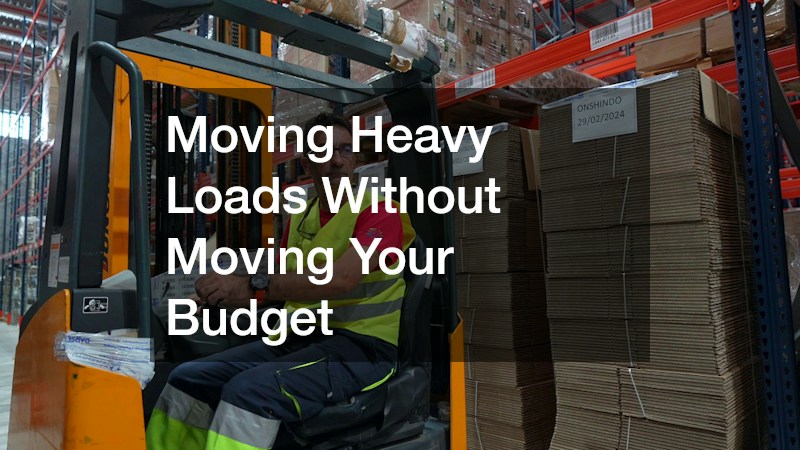
Relocating a business is rarely as simple as packing boxes into a van. Large operations often require specialized equipment, trained labor, and careful scheduling to avoid damage or injury. Forklifts, pallet jacks, hydraulic lifts, and rigging systems may all be necessary just to move server racks, industrial machinery, or bulk inventory safely from one site to another. This complexity is why many companies turn to commercial movers rather than handling the job in-house. A single damaged piece of equipment can cost tens of thousands of dollars to repair or replace, and an employee injury from improper lifting techniques can trigger workers’ compensation claims or even lawsuits. Professional movers absorb much of that risk through experience and specialized training that most internal staff simply don’t have. These professionals also carry insurance and follow safety protocols specifically designed to reduce the liability that comes with hauling heavy furniture, machinery, or inventory across long distances. Many offer tiered coverage options, allowing businesses to insure high-value items like manufacturing equipment or data servers at replacement cost rather than depreciated value. Scheduling matters just as much as the physical move itself. Staggering the relocation across off-peak hours or weekends can minimize downtime, and experienced movers often coordinate with building management to secure freight elevators, loading docks, or parking permits in advance—details that, if overlooked, can quietly add days and dollars to a project’s final cost.
The cost of hiring professional movers reflects more than just labor and fuel. It also accounts for the risk management built into the process, including equipment maintenance, employee training, and liability coverage in case something goes wrong during transit. Consider the forklifts, dollies, rigging equipment, and specialized trucks required to move heavy machinery or office furnishings safely. Each piece requires regular inspection and upkeep, and a single hydraulic failure or worn-out strap can turn a routine job into a costly accident. Reputable moving companies budget for this maintenance year-round, not just when a breakdown forces their hand. Employee training adds another layer of expense that’s easy to overlook. Workers need certification in proper lifting techniques, equipment operation, and load securing, and refresher courses typically happen annually to keep crews compliant with OSHA standards. A well-trained crew costs more per hour, but it also dramatically reduces the odds of injury claims or property damage. Liability coverage ties it all together. Moving companies typically carry general liability insurance, cargo insurance, and workers’ compensation, often totaling thousands of dollars in annual premiums depending on fleet size and claim history. When a quote seems unusually low, it’s worth asking whether that price reflects adequate coverage or simply skips corners that could leave your business exposed if something breaks, or someone gets hurt, along the way.
- Specialized equipment like forklifts, dollies, and hydraulic lifts reduces the chance of workplace injury during loading and unloading
- Trained crews understand weight distribution and load balancing, which lowers the risk of vehicle accidents and cargo shifting in transit
- Insurance coverage, including cargo and liability policies, protects both the business and the mover if property is damaged or lost
- Proper scheduling around off-peak hours minimizes downtime, which indirectly reduces financial exposure from idle staff or stalled operations
- Route planning that accounts for weight limits and road restrictions avoids costly fines or equipment damage
- Regular equipment maintenance checks prevent mechanical failures that could delay projects or trigger liability claims
Road Collisions and the Price of Commercial Transportation
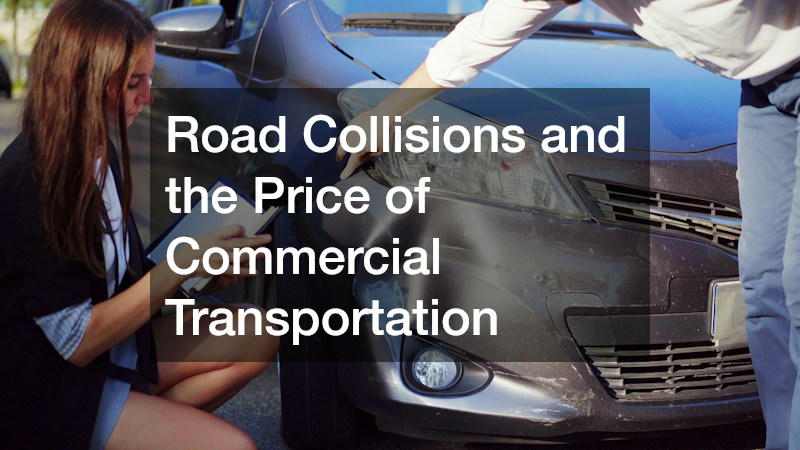
Any business that relies on vehicles, whether for deliveries, client visits, or employee commutes, faces an unavoidable truth: a car accident can happen at any time, even to the most cautious driver. Road conditions, distracted drivers, bad weather, and simple human error all conspire to make collisions a statistical certainty over time, not just a remote possibility. When a collision involves a company vehicle, the financial fallout can include medical bills, vehicle repairs, lost productivity, and potential lawsuits. A single serious accident can easily generate tens of thousands of dollars in combined costs once hospital visits, towing, replacement vehicle rentals, and downtime are factored in. If a third party is injured, the business may also face liability claims that drag on for months or years, adding legal fees and settlement costs to the total bill. Beyond the immediate expenses, there are secondary effects that often go unnoticed until they hit the balance sheet. A driver recovering from injury means lost labor hours, a damaged delivery van means missed appointments, and a lawsuit means management time diverted away from running the business. These ripple effects compound the direct financial hit of the original incident. These risks are factored into insurance premiums long before an incident ever occurs. Insurers assess fleet size, driver records, vehicle types, and claims history to set rates, which means a company’s safety culture directly shapes its ongoing operating costs. Businesses with poor accident records can see premiums climb year after year, turning a single bad incident into a recurring financial burden.
Businesses that operate fleets often work closely with legal and insurance professionals to understand their exposure, since a single multi-vehicle collision can trigger six- or seven-figure liability claims once medical costs, lost wages, and property damage are factored in. Commercial auto policies typically carry higher coverage limits than personal policies, but gaps in coverage, driver classification errors, or lapses in maintenance records can leave a company exposed to costs the policy never anticipated. Knowing the steps to take immediately after a crash can significantly reduce the long-term cost of an incident. Documenting the scene with photos and witness information, securing dashcam or telematics data, and notifying insurers within the required window are all critical, since delayed reporting can weaken a claim or violate policy terms. Many companies also train drivers on post-accident protocols in advance, including who to call, what not to say to other parties, and how to preserve evidence like skid marks or vehicle damage before it’s cleared from the roadway. Equally important is the internal paper trail: maintenance logs, driver qualification files, and hours-of-service records often become central evidence in determining fault and limiting punitive damages. Some businesses go further, conducting post-incident reviews not just to assess legal exposure but to identify patterns, such as recurring routes, fatigue-related schedules, or vehicle types, that may be quietly driving up risk and insurance premiums over time.
- Keep a dash cam installed in company vehicles, front and rear-facing if possible, to provide clear evidence in disputes over fault
- Train employees on defensive driving techniques, including following distance and hazard anticipation, to lower collision frequency
- Maintain updated insurance policies that reflect current vehicle values, cargo loads, and usage patterns, since outdated coverage can leave gaps after an accident
- Report incidents promptly, ideally within 24 hours, to avoid complications with claims processing and to preserve witness accounts
- Document accident scenes with photos and GPS data whenever possible to strengthen liability claims
- Schedule regular vehicle maintenance checks to catch mechanical issues before they cause a collision
When Injuries Happen, Legal Guidance Becomes Essential
Workplace injuries and accidents involving customers or the public can create significant financial exposure for a business. In these situations, consulting a car accident lawyer early in the process can help clarify liability, especially when a company vehicle or equipment was involved. Legal guidance at this stage often determines whether a dispute resolves quickly or drags into costly litigation.
Businesses that understand their legal obligations tend to handle these situations more efficiently. This includes knowing when to involve counsel, how to document incidents thoroughly, and how to communicate with affected parties without admitting unnecessary liability.
- Document the incident scene with photos and witness statements immediately
- Notify your insurance provider as soon as possible
- Avoid making statements that could be interpreted as an admission of fault
- Consult legal counsel before offering settlements or signing agreements
Serious Injuries Require Specialized Legal Support
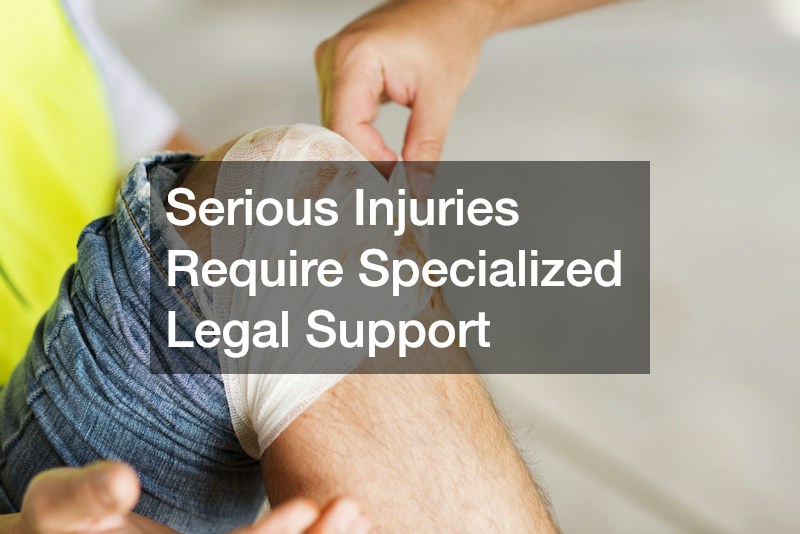
Not all injuries are minor, and when a case involves long-term disability, significant medical costs, or wrongful death, the stakes rise dramatically. An injury attorney with experience in complex liability cases can help both businesses and injured parties navigate the legal process fairly. For businesses, having access to experienced legal counsel is part of responsible risk management, not an admission of wrongdoing.
The cost of resolving a serious injury claim often depends on how early legal expertise gets involved. Businesses that wait too long to consult an attorney may find themselves facing higher settlement demands or prolonged litigation that disrupts operations and damages reputation.
- Severe injury cases often involve multiple parties, including insurers and contractors
- Medical documentation plays a central role in determining settlement value
- Early legal consultation can prevent miscommunication that escalates disputes
- Businesses with strong safety records often resolve claims more efficiently
Researching Legal Representation Before You Need It
Many business owners wait until a crisis hits before thinking about legal representation, but proactive research pays off. Identifying some of the best accident attorneys in your area ahead of time means you are not scrambling to find qualified help during a stressful situation. This kind of preparation is similar to having a relationship with an accountant or insurance broker before tax season arrives.
Reputation, case history, and communication style all matter when choosing legal counsel. A good attorney should be able to explain complex liability issues in plain language and give you a realistic sense of timelines and costs upfront.
- Look for attorneys with specific experience in business liability cases
- Ask about their track record with cases similar to your industry
- Request references or case studies when possible
- Confirm their availability for urgent consultations
Large Vehicles and the Weight of Legal Responsibility
Commercial trucks and heavy vehicles present unique risks simply because of their size and the damage they can cause in a collision. When accidents involve these vehicles, the legal and financial consequences are often more severe than standard car accidents. A trucking accident attorney understands the specific regulations governing commercial drivers, cargo weight limits, and maintenance logs that often become central to these cases.
Because trucking accidents frequently involve multiple parties, including manufacturers, trucking companies, and drivers, resolving liability can take longer and require more specialized knowledge. Businesses that operate or contract with trucking services should understand how these regulations affect their own exposure.
- Federal regulations often dictate driver hours and rest requirements
- Cargo securement failures can shift liability toward the shipping company
- Maintenance records are frequently reviewed during investigations
- Multiple insurance policies may be involved in a single claim
Renting Machinery Without Taking on Unnecessary Risk
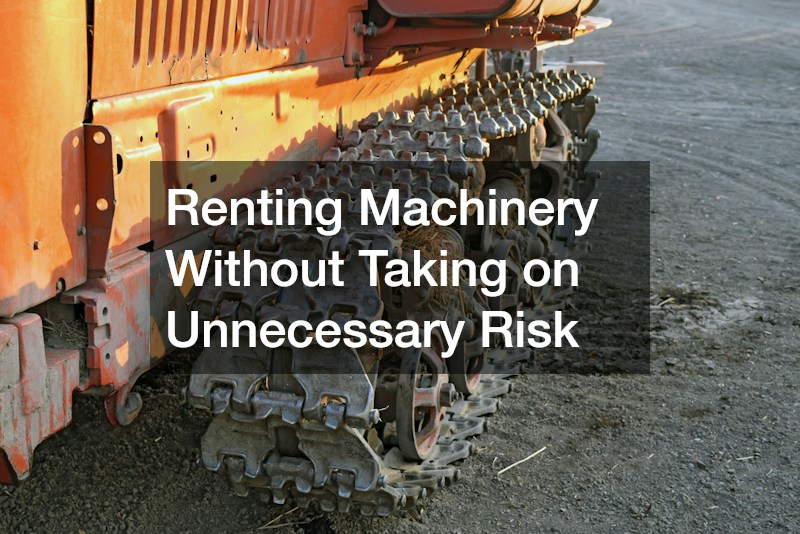
Construction and landscaping projects often require powerful machinery that most businesses do not own outright. Securing an excavator rental allows companies to complete large-scale digging or grading projects without the long-term financial commitment of ownership. However, renting equipment also means understanding who assumes liability if the machine malfunctions or causes damage during use.
Rental agreements typically outline maintenance responsibilities, insurance requirements, and operator qualifications. Reading these contracts carefully before signing can prevent costly disputes later, especially if an accident occurs while the equipment is in use.
- Confirm whether the rental company or the renter is responsible for maintenance
- Verify that operators are properly trained and certified
- Check insurance coverage limits before beginning work
- Inspect equipment thoroughly before accepting delivery
Personal Injury Claims Beyond the Roadway
Not every injury claim stems from a vehicle collision. Slip and fall accidents, equipment malfunctions, and workplace injuries all fall under a broader category of law, which is why personal injury lawyers handle such a wide range of cases. Businesses that understand this broader scope are better prepared to respond appropriately when an incident occurs on their property or during the course of their operations.
The financial impact of these claims varies widely depending on severity, location, and the strength of the evidence involved. Having clear safety protocols in place can reduce both the frequency of incidents and the potential cost of any resulting claims.
- Conduct regular safety audits of your physical premises
- Train employees to recognize and report hazards promptly
- Keep detailed maintenance logs for equipment and facilities
- Maintain liability insurance appropriate to your industry risks
Underground Systems That Carry Hidden Liability
Not all business risks happen above ground. Properties relying on septic systems face their own set of maintenance and liability concerns, which is why many commercial property owners schedule regular commercial septic services to avoid costly failures. A neglected system can lead to environmental damage, health code violations, and expensive emergency repairs that disrupt business operations.
Routine inspections help identify small problems before they become major financial burdens. Business owners who build maintenance schedules into their annual budgeting tend to avoid the kind of emergency repair costs that catch other companies off guard.
- Schedule inspections at least once a year for commercial properties
- Watch for slow drains or unpleasant odors as early warning signs
- Keep maintenance records in case of future property transactions
- Budget for periodic pumping based on system size and usage
Roof Integrity and the Cost of Delayed Repairs
A commercial roof protects far more than just the building itself; it safeguards inventory, equipment, and employee safety. Hiring experienced commercial roofers for regular inspections can catch small leaks or structural issues before they turn into expensive emergencies. Delayed roof repairs often lead to water damage, mold growth, and even structural failure, all of which carry significant financial and legal consequences.
Weather events and aging materials are the most common causes of roof failure, but poor installation can also shorten a roof’s lifespan considerably. Businesses that invest in quality materials and routine maintenance typically spend less over time than those that wait for visible damage to appear.
- Schedule professional inspections twice a year, especially after severe weather
- Address minor leaks immediately to prevent structural damage
- Keep documentation of repairs for insurance and resale purposes
- Choose materials rated for your region’s climate conditions
Heavy equipment and legal risk may seem like separate concerns, but they are deeply connected threads in the fabric of business costs. From hiring movers and renting excavators to navigating injury claims and maintaining critical infrastructure, every decision carries financial weight. By understanding these connections now, you can make more informed choices, whether you are running a business or simply trying to understand why certain services cost what they do. Taking a proactive approach to safety, maintenance, and legal preparedness is always more affordable than reacting after a crisis hits.