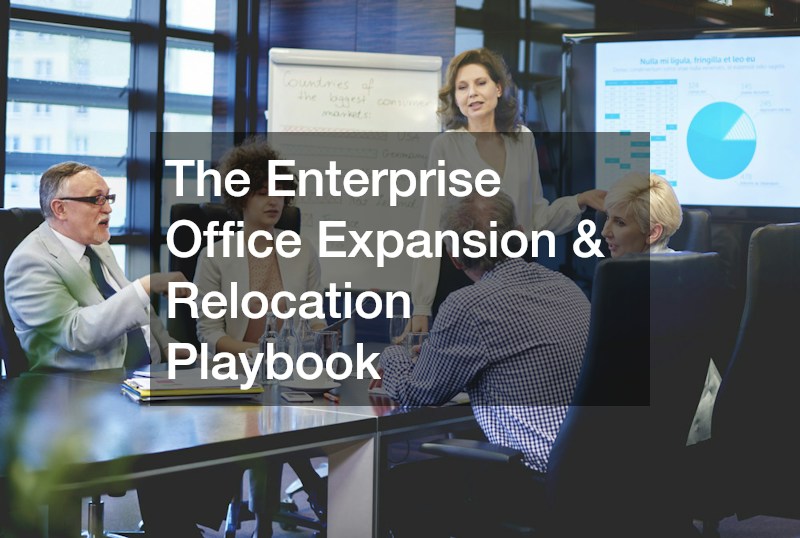
Expanding or relocating an enterprise office is one of the most complex operational undertakings a corporate leadership team can face. Moving beyond a simple change of address, a successful office expansion requires aligning physical construction, digital technology, human resources, and local community integration into a single synchronized timeline. When executives oversee a major corporate move, the goal extends beyond opening doors on schedule. It involves building an operational framework that supports long-term growth, protects company assets, and maintains uninterrupted productivity for every department across the entire business ecosystem.
Without a structured playbook, corporate relocations frequently run into budget overruns, delayed project timelines, and unwanted employee turnover. Unexpected obstacles often emerge in surprising places, such as unexpected lead times for specialized equipment, misaligned municipal regulations, or gaps in facility maintenance contracts. To minimize operational risk, project leaders must organize the expansion into distinct, manageable phases. By treating the move as a strategic program rather than a collection of isolated tasks, leadership teams can ensure every facility, technical system, and administrative process is fully established before team members step through the front doors.
This playbook offers an actionable roadmap for enterprise decision-makers. Whether a business is opening its second regional facility, establishing a manufacturing hub, or relocating its national headquarters, following a proven blueprint keeps key stakeholders aligned. A well-executed expansion minimizes disruption to ongoing client deliverables and positions the organization for sustainable success in its new environment. Establishing realistic project timelines prevents burnout among internal project managers.
Defining Clear Objectives and Site Selection Criteria

Every successful relocation begins with a comprehensive feasibility assessment. Long before leasing agents present floor plans or architects draft initial layout concepts, executive teams must establish the primary business drivers behind the expansion. Companies typically seek new locations to tap into fresh talent pools, move closer to primary customer hubs, or reduce overhead costs. Identifying these core motivations helps narrow down geographical search regions and guides the disciplined evaluation of potential commercial properties.
During site selection, commercial real estate teams must look beyond standard monthly rent rates. Total cost of occupancy includes regional tax structures, utility infrastructure capacity, local zoning restrictions, and regional economic development opportunities. State and local government agencies frequently offer financial support to attract expanding employers who bring quality jobs to the area. When negotiating lease terms or property purchases, corporate planners actively evaluate available business incentives to offset upfront capital expenditures, lower state tax liabilities, and fund initial infrastructure upgrades. Securing these favorable arrangements early in the planning process provides significant financial flexibility throughout the subsequent build-out phase.
A thorough site assessment also involves analyzing municipal commute patterns, public transportation access, and nearby amenities for daily staff. Sites that appear attractive on paper can quickly prove inefficient if key personnel face grueling daily commutes or if local zoning boards slow down project permits. Engaging municipal planners early in the process ensures that zoning approvals, utility connections, and building modifications proceed without costly administrative stalls.
Furthermore, evaluating long-term lease flexibility is essential for dynamic corporate growth. An enterprise may start by occupying two floors, but rapid hiring could demand additional square footage within two or three years. Negotiating right-of-first-refusal clauses and expansion options directly into the lease agreement prevents the company from becoming constrained by its physical envelope before the lease term expires. Careful site selection lays the groundwork for every physical and digital operational system that follows.
In addition, corporate real estate teams should conduct thorough site audits to assess existing structural conditions. Uncovering hidden architectural issues early prevents unexpected change orders during renovation. Comprehensive environmental reviews also protect the firm from unforeseen compliance delays. Gathering feedback from regional leaders provides helpful context regarding local market nuances. This step reduces risk.
Designing the Physical Environment and Infrastructure
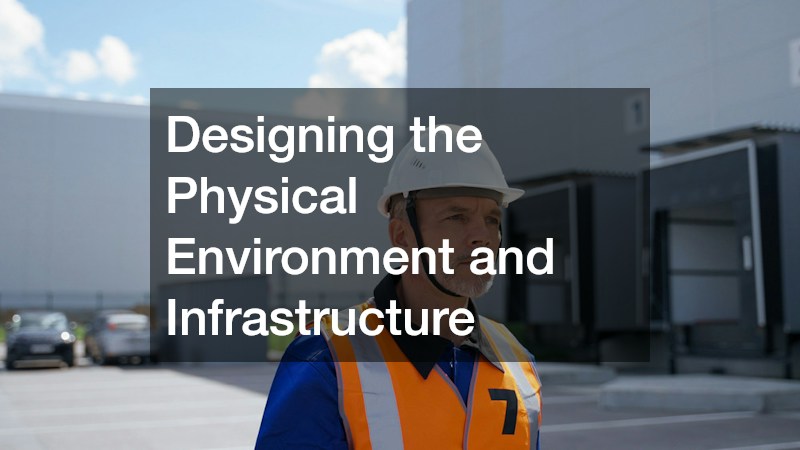
Once a property is secured, attention shifts to converting raw commercial space into an operational workspace. Modern office design demands a practical balance between open collaboration areas, quiet private offices, executive boardrooms, and dedicated technical equipment rooms. Interior designers and project managers must coordinate closely with mechanical, electrical, and structural engineers to ensure the layout supports daily work functions while remaining adaptable to future workspace trends.
A critical, yet frequently overlooked, element of site preparation involves low-voltage cabling and physical data pathways. Before drywall is hung or ceiling tiles are dropped into place, project managers must contract a certified network cabling service to run structured copper and fiber cables throughout the entire facility. Proper cable routing ensures reliable data transfer speeds, supports office communication systems, and provides the physical foundation for all future digital operations. Skimping on low-voltage infrastructure during construction often leads to expensive retrofits later when network demands outgrow original design limits.
Exterior facilities require equal attention during the construction and renovation phase. The physical exterior serves as the primary point of contact for employees, clients, and vendors arriving at the new location. Ensuring smooth traffic flow, adequate lighting, clear directional signage, and well-maintained asphalt surfaces is essential for safety and professional presentation. Scheduling professional parking lot paving prior to the grand opening repairs structural cracks, eliminates trip hazards, and creates a clean, welcoming environment that reflects corporate quality from the moment visitors drive onto the property.
In addition, facility managers should thoroughly inspect exterior drainage, perimeter lighting, and pedestrian walkways. Effective stormwater management prevents water pooling around building foundations, while high-efficiency LED parking illumination enhances safety during early morning and late evening shifts. Integrating interior structural planning with exterior property maintenance creates a unified workspace that functions reliably in all conditions. Clear exterior directional signage also improves navigation for delivery drivers and visiting guests.
Establishing Physical Security and Operational Hygiene
Physical security and facility maintenance represent two foundational pillars of long-term operational success. A modern enterprise facility must protect sensitive intellectual property, high-value technical assets, and personnel without creating unnecessary friction for daily work routines. Balancing secure physical boundaries with ease of movement is key to maintaining both workforce safety and employee morale.
Security planning begins at the perimeter and extends into interior work zones. Rather than relying on traditional physical keys that can be lost, duplicated, or unmonitored, companies install an automated access control system to manage building entries, interior doors, and restricted data closets. Electronic badge readers, biometric scanners, and centralized management software allow security teams to assign specific access permissions based on employee roles, log visitor movements in real time, and instantly revoke entry rights when personnel leave the organization. Integrating these security measures into the building architecture ensures comprehensive protection across all physical entry points.
Simultaneously, establishing consistent facility maintenance schedules guarantees a clean and professional interior environment. Cleanliness plays a direct role in workforce satisfaction, brand perception, and overall workplace wellness. Corporate operations managers routinely establish recurring contracts for commercial restroom cleanings to maintain strict hygiene standards across high-traffic facilities. Scheduling professional sanitation services keeps facilities pristine, reduces the spread of seasonal illness among staff, and ensures the office maintains a polished image for visiting stakeholders.
Facilities management teams should also establish preventive maintenance schedules for HVAC systems, emergency power generators, and life-safety equipment. Regular inspection schedules prevent unexpected equipment failures during critical work periods, lower monthly energy bills, and maintain healthy indoor air quality across the entire workspace year-round. Investing in proactive building maintenance extends the lifespan of expensive capital assets.
Deploying Digital Infrastructure and Remote Systems
In modern business environments, physical office space is only as effective as the technology backing it up. Transitioning an enterprise to a new location requires moving server hardware, setting up cloud integrations, establishing secure high-speed internet connections, and ensuring zero data loss during the transition. Technical hiccups during a move can disrupt customer support, delay sales cycles, and impact corporate revenue.
To manage this operational risk, corporate leadership often relies on a specialized IT service provider to manage network architecture, hardware deployment, and cloud migrations. Working with external technical specialists allows internal technical teams to focus on core strategic projects rather than getting bogged down in basic hardware setup and circuit activations. The external technical team ensures firewalls, switches, and wireless access points are fully configured before staff members arrive for their first day.
Furthermore, distributed workforces and multi-branch networks require continuous monitoring to prevent unexpected downtime and mitigate potential cyber threats. Operations teams implement remote management services to oversee network health, push software updates, and resolve technical glitches from a centralized operations dashboard. Having round-the-clock remote monitoring ensures system outages are addressed immediately, keeping data pipelines clear and maintaining business continuity across all regional offices.
Establishing redundant communication lines is another vital component of technology planning. Secondary fiber connections or cellular backup routers ensure that even if a primary Internet service provider experiences an outage, corporate communication channels remain online without interruption. Uninterrupted connectivity keeps teams productive and protects critical business data. Thorough data backups conducted prior to moving day ensure complete information security.
Structuring Workforce Onboarding and Employee Benefits

A physical facility means very little without the workforce that operates inside it. Staffing a new regional office involves recruiting local talent, transferring key veteran employees, and aligning regional policies with corporate guidelines. Managing these complex administrative demands requires flexible and compliant human resource frameworks.
When expanding into new geographic markets, internal HR departments face complex state-specific employment laws, payroll regulations, and local tax compliance requirements. Partnering with professional HR services helps corporate leaders navigate local labor laws, streamline talent acquisition, and standardize employee handbooks across multiple operating locations. Expert guidance ensures that recruitment, onboarding, and payroll processing run smoothly during the critical initial launch window.
Attracting top-tier talent in a competitive job market also demands a comprehensive employee compensation package. Prospective employees evaluate health benefits, retirement plans, and wellness initiatives when considering job offers from growing firms. Designing a competitive business health insurance plan tailored to the local market helps corporate employers recruit skilled workers, boost employee retention, and demonstrate a genuine commitment to staff well-being. Providing robust healthcare coverage establishes the organization as an employer of choice in its new region.
Beyond financial compensation, establishing an engaging onboarding experience helps new hires acclimate quickly to company culture. Peer mentorship programs, structured orientation sessions, and regular leadership meet-and-greets help bridge the distance between regional offices and executive leadership. Investing in people ensures that physical expansion translates into long-term organizational productivity. Transparent internal communications maintain high employee engagement throughout every operational change. Gathering feedback during early performance reviews helps refine workplace policies for future hiring cohorts.
Generating Market Awareness and Building Local Connections

The final phase of an enterprise expansion involves establishing a strong presence within the new community and regional marketplace. Opening a physical office presents a strategic opportunity to announce growth, attract new client accounts, and build lasting partnerships with local businesses. Active local promotion converts physical expansion into tangible revenue growth.
To maximize visibility around the launch, marketing teams execute localized search campaigns and target digital promotions. Implementing target seo marketing strategies ensures that local clients, prospective hires, and industry partners easily discover the new office through online searches. By optimizing digital business listings, building localized web pages, and targeting regional industry keywords, companies capture high-intent local search traffic and convert local interest into valuable sales leads.
In addition to digital marketing, corporate leaders should engage directly with local chambers of commerce, industry groups, and community organizations. Hosting an open house event, sponsoring regional conferences, or organizing charitable initiatives introduces the brand to local business leaders and builds long-term goodwill. Combining digital visibility with active community engagement cements the company’s footprint in its new operational home.
Public relations campaigns can also amplify the impact of an expansion. Releasing local press releases highlighting new job creation, facility investments, and executive appointments earns earned media coverage that strengthens local brand authority and establishes trust with regional decision-makers. Developing relationships with regional trade publications helps sustain media coverage long after the initial opening event.
Executing a Smooth Transition for Long-Term Growth
Relocating or expanding an enterprise office is a multi-layered project that demands rigorous planning, clear communication, and synchronized execution across every department. From negotiating local economic incentives and laying physical network cabling to implementing cloud-managed security and launching targeted local marketing campaigns, every step contributes to long-term operational success.
By following a structured operational playbook, corporate decision-makers can navigate complex build-out timelines without sacrificing daily productivity or exceeding budgets. A methodical approach transforms what could be a stressful transition into an exciting growth milestone. Ultimately, thorough preparation establishes a safe, efficient, and modern workspace that empowers employees and drives sustained business expansion for years to come. Continuous post-occupancy evaluations ensure the new facility meets the evolving needs of the workforce.