
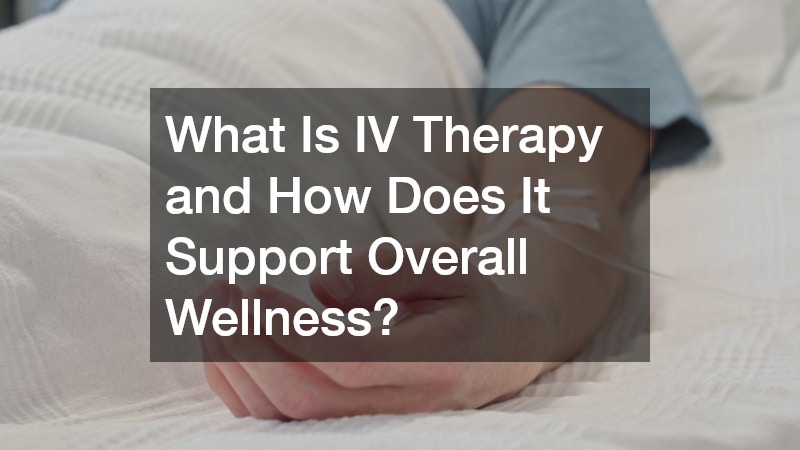
Iv therapy has gained widespread attention as a wellness service designed to support hydration, nutrient balance, and overall health. While intravenous treatments have long been a standard part of hospital care, iv therapy has expanded into wellness clinics and mobile services that focus on preventive and supportive care rather than acute illness alone. This shift has made iv therapy more accessible to individuals seeking efficient ways to maintain energy, resilience, and balance in their daily lives.
Understanding What IV Therapy Is
Iv therapy, short for intravenous therapy, involves delivering fluids, vitamins, minerals, and other nutrients directly into the bloodstream through a small catheter inserted into a vein. Because nutrients bypass the digestive system, this method allows for more efficient absorption compared to oral supplements. The body can immediately access and utilize the nutrients being delivered.
In medical settings, intravenous therapy has traditionally been used to treat dehydration, nutrient deficiencies, and recovery following surgery or illness. Wellness-focused iv therapy builds on this foundation by offering targeted nutrient blends designed to support general wellness goals, such as improved hydration, immune support, stress management, and recovery from physical or mental fatigue.
How IV Therapy Works Inside the Body
The effectiveness of iv therapy lies in how the body processes nutrients. When vitamins and minerals are consumed orally, they must be broken down in the stomach and absorbed through the digestive tract before entering the bloodstream. During this process, a portion of the nutrients is often lost due to limited absorption or digestive inefficiencies.
With iv therapy, nutrients are delivered directly into the bloodstream, allowing them to circulate immediately throughout the body. Cells are able to access essential compounds without delay, which is why many individuals report noticeable effects shortly after treatment. The speed and efficiency of this delivery method are key reasons iv therapy has become popular in wellness settings.
Supporting Hydration and Nutrient Balance
Proper hydration is essential for nearly every bodily function, yet it is one of the most common wellness challenges people face. Busy lifestyles, frequent travel, intense physical activity, and illness can all contribute to dehydration, even when someone drinks water regularly. Iv therapy offers a rapid way to restore fluid and electrolyte balance when oral hydration may not be sufficient.
In addition to fluids, iv therapy often includes nutrients such as B-complex vitamins, vitamin C, magnesium, calcium, and amino acids. These nutrients play vital roles in energy production, muscle function, immune response, and nervous system regulation. By replenishing nutrients directly, iv therapy supports the body’s internal systems and helps restore equilibrium.
Potential Wellness Benefits of IV Therapy
People turn to iv therapy for a variety of wellness-related reasons. Some seek support for low energy levels, while others focus on immune health or physical recovery. Nutrient deficiencies can contribute to fatigue, difficulty concentrating, frequent illness, and slower recovery from exertion. Iv therapy may help address these deficiencies more efficiently than oral supplementation alone.
Physically active individuals often incorporate iv therapy into their routines to support hydration and muscle recovery after strenuous workouts or athletic events. Others may choose treatments during periods of high stress, seasonal transitions, or frequent travel to help maintain balance. While results vary from person to person, iv therapy is commonly used as a complementary wellness tool rather than a standalone solution.
What to Expect During an IV Therapy Session
An iv therapy session typically begins with a consultation to review health history, current concerns, and wellness goals. This step ensures the treatment is appropriate and allows the provider to tailor the nutrient blend to individual needs. Once cleared, a trained medical professional inserts a small catheter into a vein, usually in the arm.
The infusion process generally lasts between 30 and 60 minutes. During this time, clients can relax, read, work on a device, or simply rest while the fluids and nutrients are administered. After the session, most people are able to return to normal activities right away. Mild side effects, such as slight bruising at the insertion site, may occur but are uncommon when the procedure is performed properly.
Safety and Medical Oversight
Safety is a critical component of iv therapy. Reputable providers operate under medical supervision and follow strict protocols related to screening, sanitation, dosage, and ingredient quality. Treatments are prepared using sterile equipment and pharmaceutical-grade nutrients to ensure consistency and safety.
Iv therapy is not suitable for everyone. Individuals with certain medical conditions, allergies, or sensitivities may require additional evaluation or alternative options. This is why professional oversight and proper assessment are essential. When administered responsibly by qualified professionals, iv therapy is generally well tolerated and considered safe for many individuals seeking wellness support.
Integrating IV Therapy Into a Wellness Routine
Iv therapy is most effective when used as part of a broader approach to wellness. Balanced nutrition, regular exercise, quality sleep, and stress management remain the foundation of long-term health. Iv therapy supports these habits by providing targeted hydration and nutrients during times when the body may need additional support.
Some individuals choose periodic iv therapy sessions during particularly demanding seasons of life, while others use it occasionally to address specific needs. By supporting hydration and nutrient delivery at a cellular level, iv therapy can help individuals feel more balanced, energized, and prepared to maintain overall wellness over time.