
Most property owners only notice their infrastructure when something breaks, overflows, or shuts down operations for a day. By then, the fix usually costs far more than routine attention would have. Small, overlooked details in a building’s systems tend to compound over months and years, quietly draining budgets. This guide walks through the often-ignored corners of facility management that lead to runaway costs, and what you can do to catch them early.
The Hidden Cost of Poor Waste Planning

Waste management is one of the first things to go sideways when a property grows or changes use, and it rarely gets the attention it deserves until bins are overflowing. Overflowing waste attracts pests, creates liability issues, and can even lead to fines from local municipalities if it spills onto sidewalks or shared spaces. Many owners underestimate how much construction debris, seasonal cleanouts, or renovation waste will pile up, leading to reactive scrambling instead of planned removal.
Setting up reliable dumpster rentals ahead of a renovation, cleanout, or seasonal purge prevents the scramble and keeps a site looking professional. It also protects you from the higher costs of emergency same-day hauling, which almost always carries a premium.
- Estimate debris volume before a project starts, not after
- Schedule pickups on a recurring basis for high-traffic properties
- Keep waste areas fenced or screened to avoid code violations
- Factor seasonal spikes, like holiday cleanouts, into your planning
Flooring Decisions That Affect Long-Term Budgets
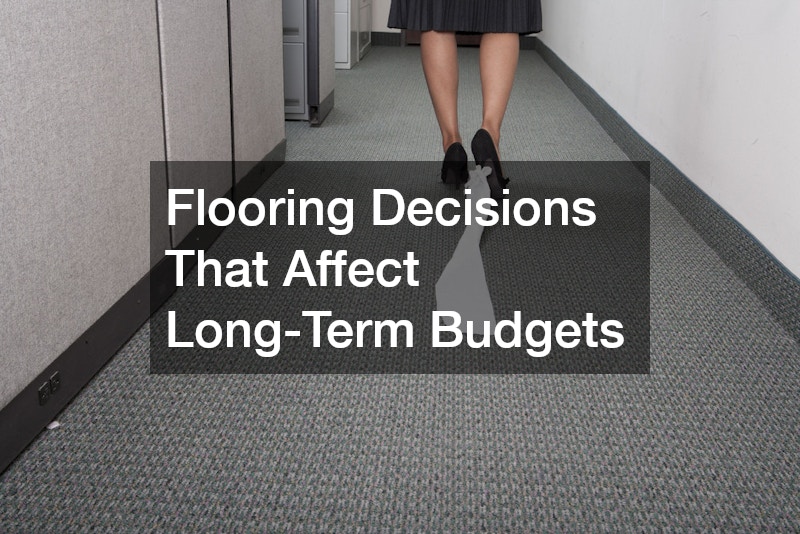
Flooring is one of the most heavily trafficked and least inspected parts of any commercial or residential-adjacent property. Cheap materials or rushed installation might save money upfront, but they often lead to premature buckling, staining, or tripping hazards within a few years. What looks like a minor cosmetic issue in year one can become a liability claim or a full replacement project by year three.
Getting commercial carpet installation done correctly the first time, with proper subfloor prep and moisture testing, dramatically extends the life of the material. Subfloor moisture readings above 4 pounds per 1,000 square feet over 24 hours (per ASTM F1869 testing) can cause adhesive failure, mold growth, and warping even under high-quality carpet or tile. Skipping this step to shave a day off the installation schedule often costs far more in remediation later.
Material selection matters just as much as installation quality. Low-pile commercial-grade carpet tile, for example, typically lasts 10-15 years in high-traffic zones, while budget broadloom carpet may need replacement in as little as 3-5 years under the same foot traffic. Factoring in labor, downtime, and disposal costs, the cheaper option frequently ends up being the more expensive one over a decade-long horizon.
Skipping these steps is one of the most common ways owners end up paying twice for the same square footage. A warehouse that cuts corners on subfloor prep or moisture barriers often needs replacement flooring within five to seven years instead of the fifteen-plus years a properly installed system delivers, and that second installation comes with demolition costs the first one never had.
The math becomes clearer when you look at specific materials. Polished concrete with proper vapor mitigation might cost 15-20% more upfront than a rushed pour, but it avoids the flaking, cracking, and coating failures that force facilities to shut down sections for repairs. Epoxy coatings applied over improperly cured concrete can peel within eighteen months, triggering not just replacement costs but lost production time during the redo.
A slightly higher upfront investment in quality installation almost always pencils out cheaper over a ten-year window. Factor in downtime for repairs, equipment relocation during redos, and the risk of forklift or foot traffic damage to subpar surfaces, and the gap widens further. Owners who budget for proper substrate testing, adequate cure times, and load-rated materials upfront typically see fewer emergency maintenance calls and a lower total cost of ownership across the life of the facility.
- Ask installers about subfloor moisture testing before work begins — readings above 4.5% (wood) or 75% relative humidity (concrete) risk warping and mold within the first year
- Choose carpet tiles for easier partial replacement in high-wear zones like entryways and hallways, cutting replacement costs by 60-80% compared to re-carpeting entire rooms
- Compare lifecycle costs, not just sticker price: low-pile commercial carpet may cost less upfront but wear out in 5-7 years versus 10-15 for higher-grade tile
- Budget for professional cleaning schedules (quarterly for high-traffic areas, biannually elsewhere) to extend carpet lifespan and preserve warranty coverage
- Factor in transition strips and leveling compounds between flooring types, since uneven seams create trip hazards and accelerate edge wear
Winter Weather Preparation Nobody Budgets For

Snow and ice are seasonal, but the damage they cause is often permanent if ignored. Cracked walkways, blocked entrances, and slip-and-fall claims are some of the most expensive and preventable costs a property owner can face. Arranging commercial snow removal before the first storm hits, rather than after, keeps parking lots and walkways safe and reduces liability exposure significantly.
Waiting until a storm has already buried a lot means paying rush rates and risking days of reduced accessibility, which can hurt foot traffic or tenant satisfaction. A proactive seasonal contract is almost always more predictable and cost-effective than reactive, storm-by-storm calls.
- Sign seasonal contracts before the first forecasted snowfall
- Prioritize clearing entrances, ramps, and fire lanes first
- Keep de-icing supplies stocked on-site for gaps between service visits
Protecting Sensitive Information on the Property
Infrastructure isn’t only physical. Any property that handles paperwork, whether it’s tenant applications, financial records, employee files, or medical intake forms, carries real risk if that information isn’t disposed of properly. Laws like FACTA and HIPAA impose specific requirements on how personal data must be stored and destroyed, and ignorance of those rules doesn’t shield a business from penalties.
Data breaches from improperly discarded documents can lead to lawsuits, regulatory fines, and reputational damage that far exceed the cost of prevention. A single dumpster full of unshredded applications can trigger a class-action lawsuit or a five-figure settlement.
Simple safeguards, like locked shred bins, scheduled document destruction services, and clear retention policies, cost far less than a breach response. Treating paper trails as part of your infrastructure, not an afterthought, protects both tenants and the bottom line.
Scheduling regular secure document shredding is a simple habit that closes a surprisingly large security gap. Many facilities generate a steady stream of sensitive paperwork—lease agreements, tenant applications, financial statements, HR records—that can pile up in storage rooms or recycling bins if there’s no set disposal routine.
Setting a cadence, such as monthly or quarterly shredding pickups, along with locked collection bins on-site, prevents documents from sitting exposed for weeks at a time. Partnering with a certified shredding vendor who provides a certificate of destruction adds an extra layer of accountability and creates a paper trail showing exactly when and how records were disposed of.
It also demonstrates due diligence if your property is ever audited or involved in a legal dispute over data handling. Under regulations like HIPAA or state-level privacy laws, failing to properly destroy sensitive records can expose a facility to fines or liability, making this small operational habit a meaningful risk-management tool.
- Shred outdated leases, applications, and financial statements regularly, ideally on a set schedule like quarterly or after tenant turnover
- Include pay stubs, bank statements, and ID copies collected during screening in your shredding policy
- Use locked bins for documents awaiting destruction, placed away from public foot traffic
- Assign key or code access for locked bins to a limited number of staff members
- Partner with a bonded shredding vendor rather than relying on in-house equipment for large volumes
- Keep certificates of destruction on file for compliance records, organized by date and vendor
- Retain these records for at least as long as your state’s tenant data laws require, often three to seven years
Fire Safety Details That Get Overlooked

Fire safety equipment is one of those things everyone assumes is fine until an inspector or, worse, an actual emergency proves otherwise. A single missing or expired fire extinguisher can result in failed inspections, insurance complications, or far worse outcomes during an actual fire. Regular checks of pressure gauges, expiration tags, and accessibility are quick tasks that too many owners skip for years at a time.
The cost of staying compliant is minimal compared to the cost of a fire spreading unchecked or a business losing its occupancy permit. Building this into a recurring maintenance checklist keeps it from falling through the cracks.
- Check extinguisher pressure gauges monthly
- Replace or recharge units before their tags expire
- Confirm extinguishers are visible and unobstructed in every hallway
Entry Points That Quietly Undermine Security and Efficiency
Doors seem like a minor detail until one stops closing properly, lets in drafts, or fails a fire code inspection. Worn weather seals and misaligned frames drive up heating and cooling costs far more than most owners realize. Working with an experienced commercial door company to assess hinges, seals, and hardware can catch small issues before they become expensive replacements.
Security is another factor tied directly to door condition, since a damaged lock or frame is one of the easiest ways for a property to become an easy target. Routine inspection of entry points is a small task that protects both energy bills and safety.
- Inspect weather seals seasonally for gaps or wear
- Test automatic closers and hinges for smooth operation
- Replace damaged frames promptly to maintain security ratings
Understanding What Your Property Is Actually Worth
Owners often rely on outdated or generic valuations that don’t reflect the true condition or potential of a large or unusual property. For expansive land, rural estates, or hard-to-access sites, helicopter appraisals offer a more accurate aerial perspective that ground-based inspections simply can’t capture. This method is particularly useful for insurance claims, estate planning, or resolving disputes over property boundaries and condition.
Having accurate documentation of your property’s true state can prevent costly disagreements down the line, whether with insurers, buyers, or family members. It’s a detail many owners never think about until they need it urgently.
- Request aerial documentation for large or irregularly shaped properties
- Use updated valuations when applying for refinancing or insurance
- Keep appraisal records on file for future disputes or sales
Visibility and Branding as Part of Facility Strategy
Facility costs aren’t only about repairs and maintenance; they also include the ongoing cost of visibility and marketing for any business operating on the property. Vehicles that move through a community every day are an underused asset if left unbranded. Investing in commercial vehicle wraps turns delivery trucks or service vehicles into moving advertisements, often at a lower long-term cost than traditional signage or ad campaigns.
This kind of branding also reinforces professionalism to clients and tenants who see the vehicles arriving on-site. A worn, unbranded fleet can quietly undercut the perceived quality of an otherwise well-maintained property.
- Refresh wraps every few years to avoid faded or peeling designs
- Use consistent branding across all fleet vehicles
- Track how wrapped vehicles influence local recognition over time
Planning Renovations With Better Digital Tools
Many costly infrastructure mistakes come from poor coordination between contractors, architects, and property owners during renovations or new builds. Miscommunication about pipe locations, electrical runs, or structural loads often leads to expensive rework. Proper bim management creates a shared digital model that keeps everyone working from the same accurate information, reducing costly surprises during construction.
Even for smaller properties, asking contractors whether they use this kind of coordinated modeling can reveal how organized a renovation project will actually be. It’s a detail that separates a smooth project from one full of change orders and delays.
- Ask contractors how they document existing infrastructure before renovations
- Request updated models after any major structural change
- Use shared digital plans to reduce miscommunication between trades
Kitchen and Plumbing Systems That Cause Silent Damage
Commercial kitchens and multi-unit properties with shared plumbing face a specific risk that’s easy to ignore: buildup in the drainage system. Grease traps that aren’t cleaned on schedule can cause backups, foul odors, and even violations that shut down food service operations entirely. This is one of the clearest examples of an infrastructure detail that seems minor until it causes a major operational halt.
Regular maintenance schedules for these systems are inexpensive compared to emergency plumbing repairs or the lost revenue from a shutdown. Owners who build this into routine maintenance rarely face the dramatic backups that make headlines in local health inspection reports.
- Schedule cleanings based on kitchen volume, not just a fixed calendar date
- Train staff to recognize early signs of blockage or odor
- Keep maintenance logs for health inspections and lease compliance
Facility costs rarely spiral from one single catastrophic failure; they build gradually from dozens of small, overlooked details across waste, flooring, weather, safety, and systems most people never think to check. The good news is that every one of these issues is manageable with a bit of planning and routine attention. Start by walking your property with this list in hand and noting which areas haven’t been checked recently. Addressing even two or three of these details this month can meaningfully change your maintenance budget over the next year.